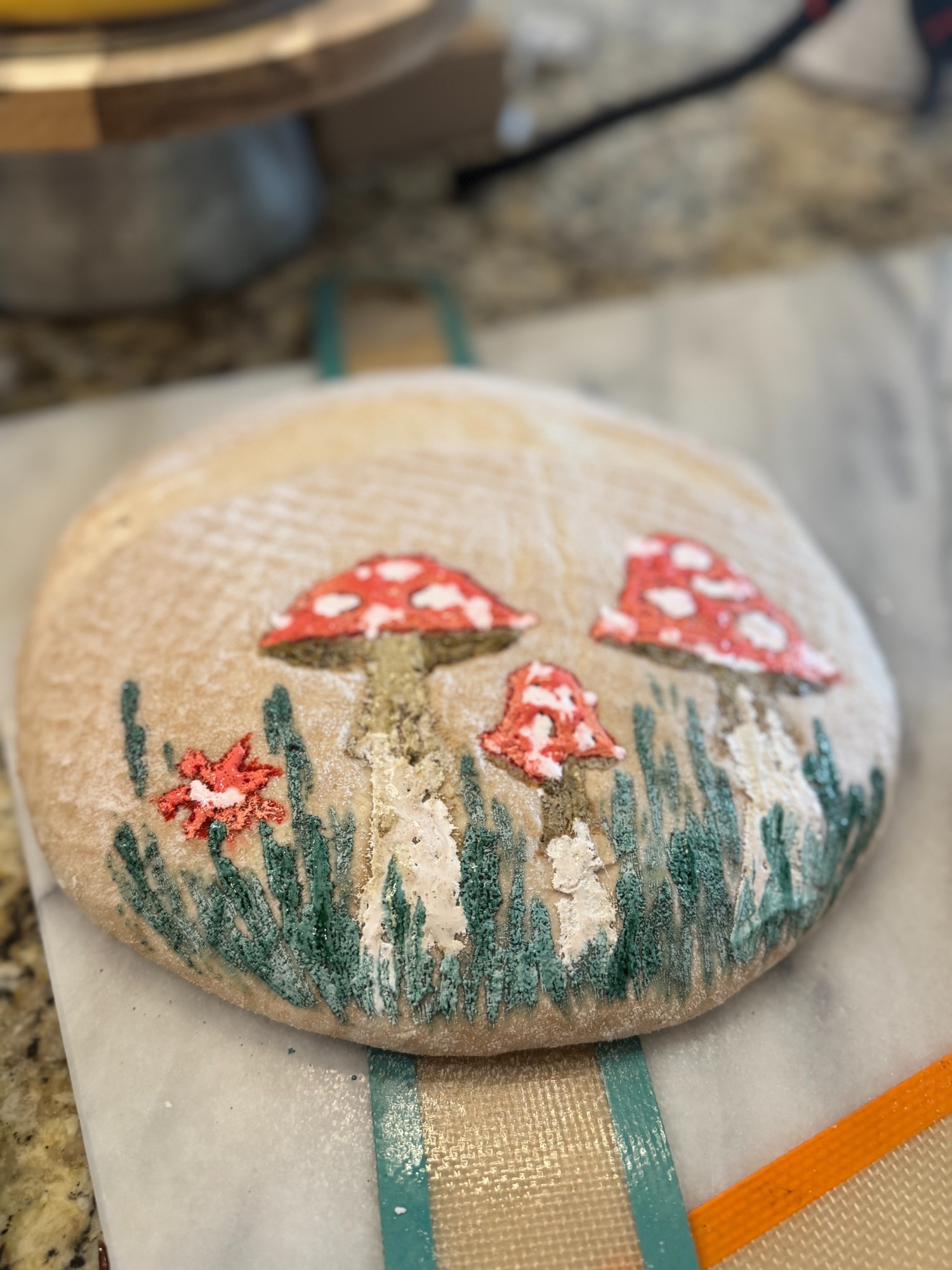
Starting a microbakery is one of the most accessible food businesses there is. The startup cost is low, the legal path is clear in every state, and the demand for real, handmade bread has never been higher. But there's a lot to figure out — and most of it nobody tells you.
This guide covers every step of the journey, in order. Work through it from Part 1 or jump to the section that's most relevant to where you are right now.
The Foundation
Understanding Cottage Food Laws
What you're legally allowed to do, how laws vary by state, revenue caps, allowed sales channels, and labeling requirements.
Your Product
Your Starter & Core Product Lineup
How to build a reliable starter, why you should start with 2–3 products (not ten), and how to choose what to lead with.
The Business
Setting Up Your Business the Right Way
DBA registration, business banking, payment processing, and record keeping — everything you need to look (and be) legitimate.
The Money
How to Price Your Bakes for Actual Profit
Why most microbakers underprice by 30–40%, a simple pricing formula, and how to charge what your bread is actually worth.
Where to Sell
Choosing Your First Sales Channel
Farmers market, pre-order pickup, or social media first? Why you should start with one — and how to pick the right one.
Looking the Part
Packaging, Labeling & Food Safety
What goes on your label, how to package bread professionally, and the food safety basics every cottage baker needs to know.
Getting Found
Building Your Online Presence
Instagram, TikTok, a simple website, and why you don't need a big following to fill your first week of orders.
Go Time
Taking Your First Order & What Comes Next
The 90-day plan, what to track, how to build from one sale to a real business, and when to think about going full time.
Ready to get found by bread lovers near you?
List your microbakery in the Crumb Cult directory — free, always.