Your bread is beautiful. It's worth charging real money for. But the moment you hand it to a paying customer in a plain plastic bag with a handwritten sticky note, you undermine everything. Packaging and labeling are not an afterthought — they're the final step of making your product, and they're governed by real legal requirements you need to understand before your first sale.
The good news: getting this right doesn't require a professional designer, a commercial printer, or a significant investment. It requires knowing what the rules are, choosing packaging that fits your product and your channel, and printing labels at home until your volume justifies something more. This is entirely manageable, and it gets easier fast.
What Your Label Must Include: The Legal Requirements
Cottage food laws in every state that permits home baking sales require specific information on the label of any product you sell. The details vary by state — and some states have stricter requirements than others — but the core requirements are consistent across nearly all of them.
Required on Almost Every Cottage Food Label
Your name and home address. Not just your bakery name — your legal name and the address where the food was produced. This is typically required because cottage food is not commercially inspected; identifying the source gives authorities a chain of accountability if a complaint arises. Most states require the full street address. A few allow just the city and state. Check your state's specific requirement.
The name of your product. "Sourdough Boule," "Cinnamon Raisin Sandwich Loaf," "Everything Bagels." Use the common name of the food, not just your product's creative marketing name.
A complete ingredients list. Listed in descending order by weight, the way FDA-regulated labels work. "Ingredients: Whole wheat flour, water, sea salt, sourdough culture." Every ingredient, in order. If you use a blend (like a multigrain flour), list the components of that blend.
Allergen declarations. Under federal food labeling law, the nine major allergens — wheat, milk, eggs, fish, shellfish, tree nuts, peanuts, sesame, and soybeans — must be called out clearly. For bread, wheat is almost always present. If your kitchen also handles peanuts, tree nuts, or dairy, you may need to include a "may contain" cross-contamination warning depending on your state's requirements and your own risk assessment.
Net weight. The weight of the product in either ounces or grams (or both). A kitchen scale is essential for this. Weigh your finished, cooled loaves before packaging so your label is accurate.
The home kitchen disclosure statement. This is required in nearly every state and is the core of cottage food law compliance. The exact language varies, but it's typically some version of: "Made in a home kitchen not inspected by the [State] Department of Agriculture." Some states specify exactly what this statement must say. Look up your state's required language and use it verbatim — don't paraphrase.
How Label Requirements Vary by State
Beyond the core requirements above, state-level variation can include: whether you must list your phone number in addition to your address; whether a "best by" or "sell by" date is required; whether net weight must appear in a specific location on the label; whether the font size of the home kitchen disclosure is mandated; and whether your label must also appear in a language other than English if your primary market includes non-English speakers.
A handful of states — California and New York among them — have more detailed cottage food labeling rules than others. If you're in one of these states, take an extra 30 minutes to read the actual regulations. The Hot & Crusty cottage food laws guide covers the requirements state by state in detail.
Packaging Options for Bread
Packaging for artisan bread is a balance of three things: food safety, freshness, and presentation. The right choice depends on your product, your sales channel, and how long the bread will be in the package before it's consumed.
Kraft Paper Bags
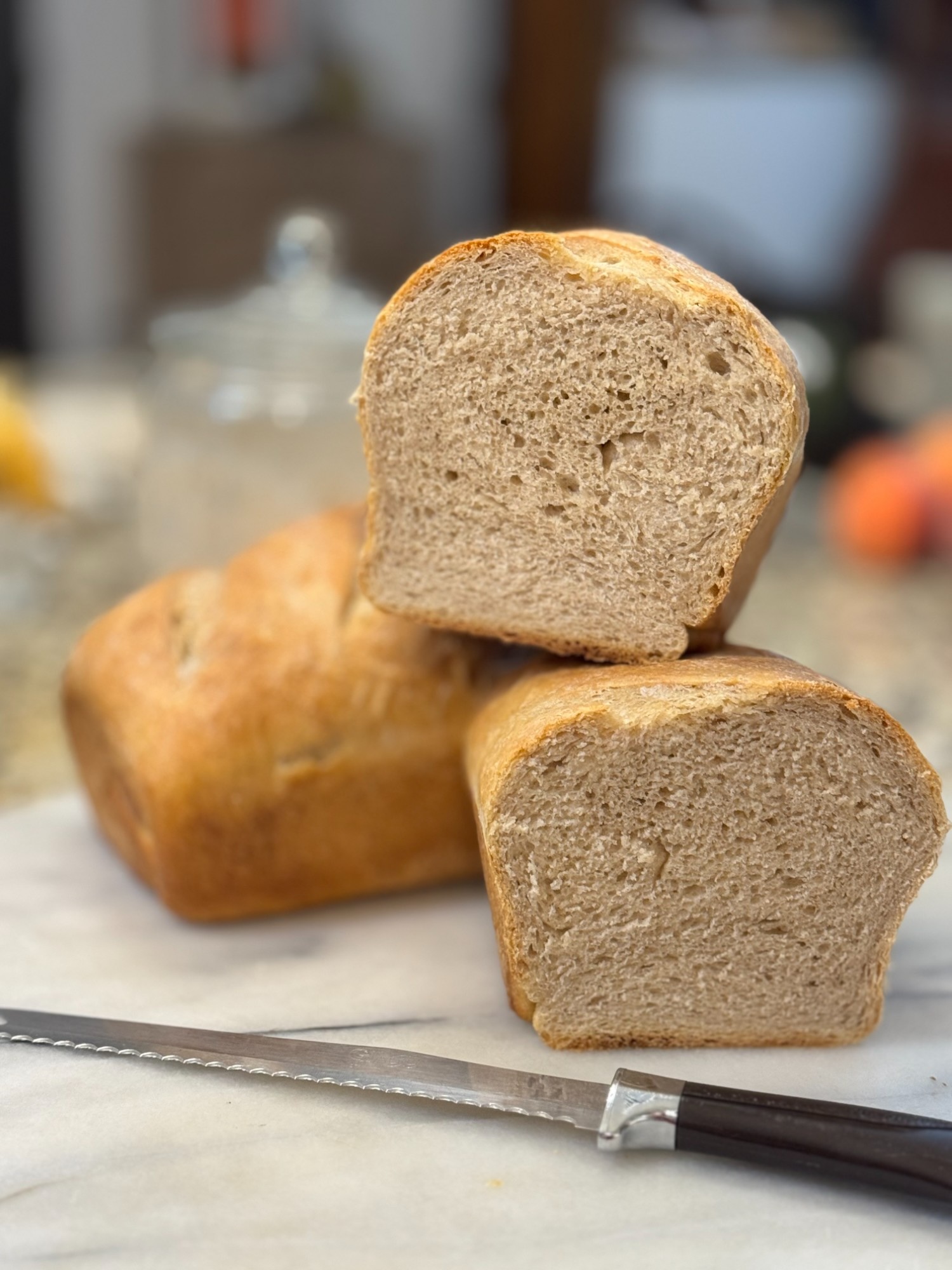
The workhorse of cottage bakery packaging. Kraft bags are food-safe, breathable (which matters for bread — it prevents the crust from going soggy), affordable in bulk, and they look intentional. A kraft bag with a clean printed label is the standard presentation for artisan loaves sold at farmers markets, via pre-order pickup, and at bakery windows across the country.
Bread bags in a standard loaf size (typically 4"x2"x12" or similar) run about $0.08–$0.20 per bag when ordered in case quantities from a restaurant supply company. For larger boules, a flat bottom kraft bag or a gusseted bag works better. Tin ties at the top make closure easy and add a professional touch for a few cents more per unit.
Cello Bags
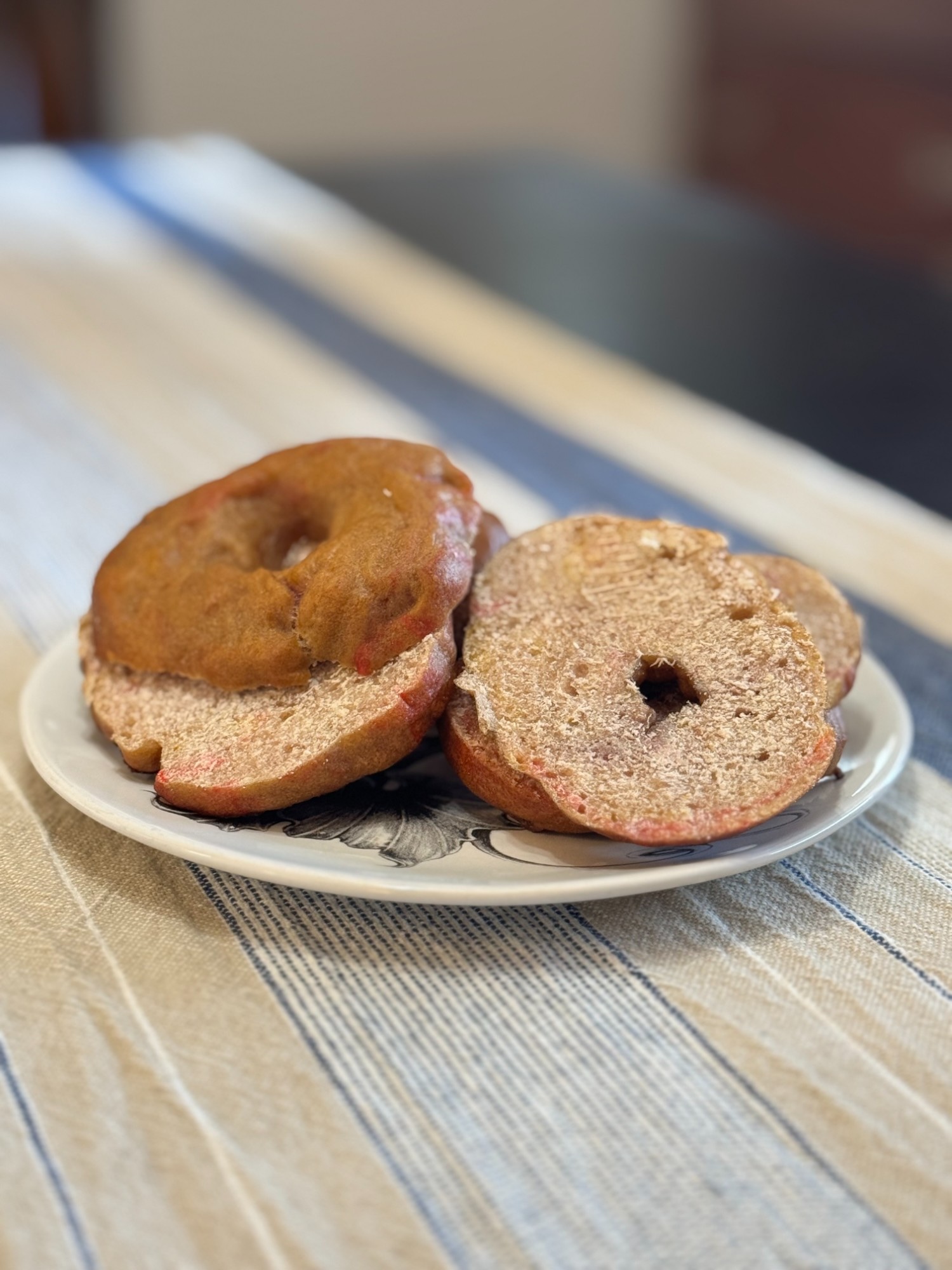
Clear cellophane bags are ideal for smaller items — rolls, bagels, cookies, mini loaves — where visual presentation through the packaging is part of the appeal. For larger sourdough loaves, cello isn't ideal because it traps moisture and softens the crust. But for a half-dozen bagels or a set of dinner rolls, a clear cello bag with a sticker label or a heat seal is clean and professional-looking.
Bakery Boxes
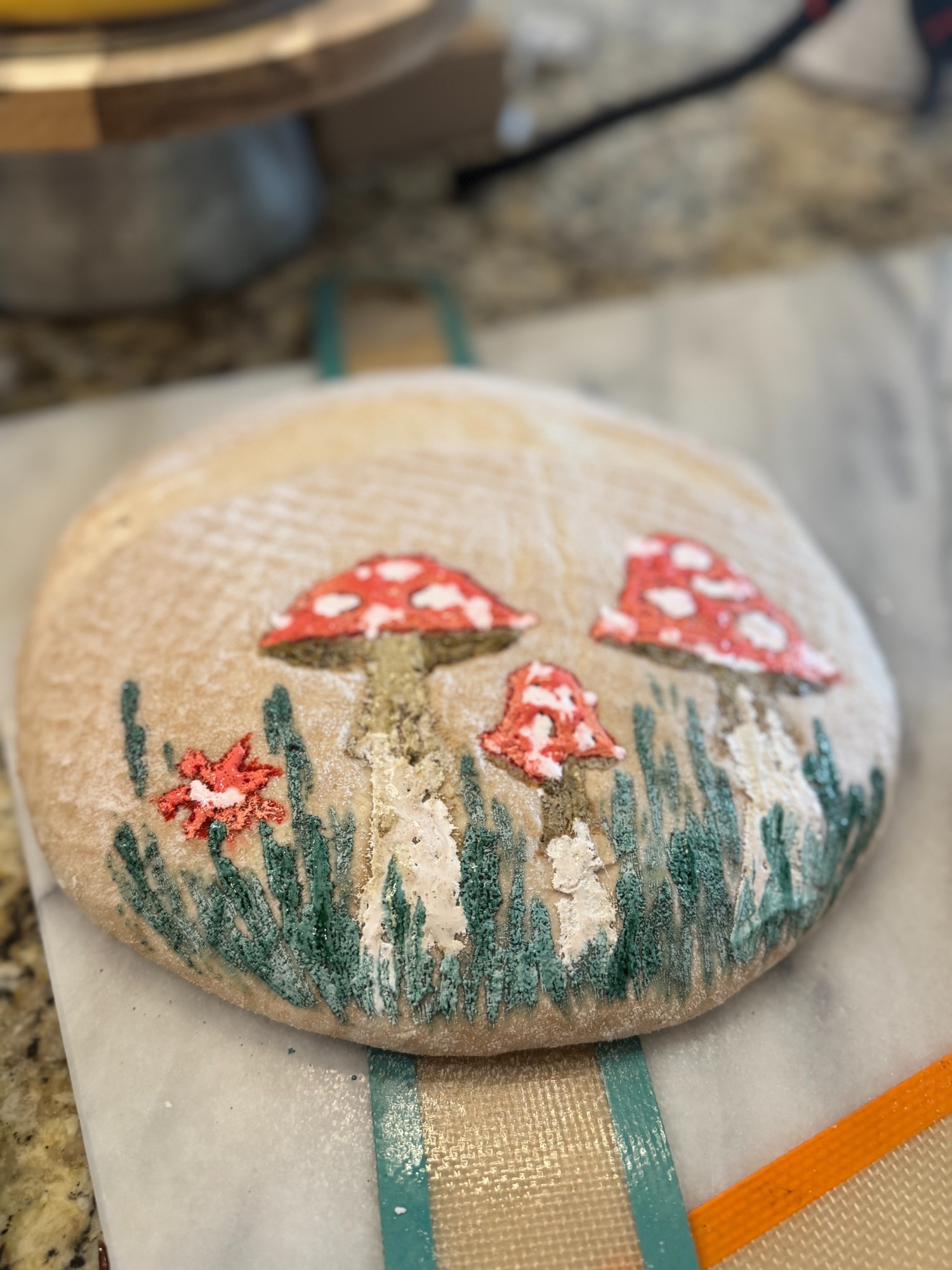
Windowed bakery boxes (kraft or white, with a clear acetate window on the lid) are the premium packaging option and are worth it for certain products: specialty boules, decorated celebration loaves, pastry assortments, and gift items. They also hold up better during delivery than bags. The trade-off is cost — boxes run $0.50–$2.00 each depending on size and source — and they take more space to store.
For everyday loaves sold at a farmers market, a box is overkill. For a holiday gift box or a high-end delivery item, the perceived value it adds may more than justify the cost. Think about your price point: if a product retails for $25 or more, a box is appropriate packaging. If it retails for $12, a well-presented kraft bag is the right call.
Where to Source Affordable Packaging
Restaurant supply stores. If you have a US Foods, Gordon Food Service, WebstaurantStore, or similar restaurant supply near you — or accessible online — these are your best source for bulk packaging at the lowest per-unit cost. You'll find kraft bags, cello bags, boxes, tissue paper, twist ties, and labeling materials all in one place, priced for commercial use.
WebstaurantStore and Amazon. For online ordering, WebstaurantStore (webstaurantstore.com) offers commercial pricing without a membership fee. Amazon is convenient but generally more expensive per unit than a dedicated restaurant supply source. Use Amazon for small reorders of items you've already sourced in bulk elsewhere.
Uline. Uline (uline.com) is a packaging and shipping supply company with an enormous catalog. Particularly useful for boxes, mailers, tissue paper, stickers, and anything you'd need for shipping or delivery packaging. Minimum orders can be high, so it's better for established operations than day-one purchases.
EcoEnclose and similar sustainable packaging suppliers. If your brand or customer base values sustainability, there are suppliers offering compostable bags, recycled kraft, and plant-based cello alternatives at reasonable price points. This is worth the small premium if it aligns with your positioning.
Labels: DIY vs. Professional Printing
For your first three to six months — maybe longer — printing labels at home is completely appropriate. A standard inkjet or laser printer and a sheet of Avery label stock (or the generic equivalent from Amazon) is all you need. Design your label in Canva, Word, or Google Slides; download it as a PDF; print on label paper; cut or peel. Done.
Your DIY label needs to be clean, readable, and complete. That means: all required legal information, a font that's legible at small sizes, and a design that doesn't look like it was thrown together in two minutes. Canva has free templates specifically for food product labels that look genuinely professional with minimal effort. Stick to your brand colors. Use your bakery name prominently. Get the legal text in there, even if it's in a smaller font at the bottom.
When you're ready to invest in professional labels — typically when you're producing enough volume that hand-applying individual printed sheets becomes a time drain — services like Sticker Mule, Avery WePrint, and Packola offer custom-printed label rolls at prices that make sense once you're ordering in the thousands. For early-stage operations, the cost isn't justified, and your DIY labels will serve you well.
"A clean, professional label on a kraft bag tells the customer they're holding something made by someone who takes pride in what they do. That's a sales tool, not just a compliance requirement."
Food Safety Basics for Cottage Bakers
Cottage food law compliance is the floor, not the ceiling, of food safety for a home baker operating a real business. The basics of food safety are straightforward, and most bakers are already doing most of them. Making them intentional and consistent is what distinguishes a professional operation from a casual one.
A Clean Kitchen
Clean and sanitize surfaces before you start baking. This means more than wiping down the counter — it means food-safe sanitizer on food-contact surfaces (cutting boards, work surfaces, your banneton if it holds dough that will be consumed), especially if those surfaces have been used for non-food-prep activities. Keep pets out of the kitchen during production. Keep people who aren't part of the baking process out of your workflow.
Cross-Contamination
Cross-contamination is the transfer of a harmful substance — allergen, bacteria, foreign material — from one surface or ingredient to another. For cottage bakers, allergen cross-contamination is the most immediate concern. If you bake gluten-free products in a kitchen that also handles wheat flour, you cannot responsibly claim those products are safe for celiac customers without taking serious steps to prevent cross-contamination. If your kitchen handles peanuts or tree nuts for other purposes and you're baking products you label as nut-free, that's a liability exposure. Know your kitchen's actual allergen environment and label honestly.
Temperature and Storage
Bread is a low-risk food from a food safety standpoint — it's a low-moisture, baked product with a low risk of pathogen growth. That said: cool your loaves completely before packaging. Packaging warm bread traps steam, creates moisture, and can promote mold growth. Store finished, packaged product in a clean, dry environment away from raw ingredients. Don't store baked goods near cleaning products, chemicals, or anything with a strong odor.
Allergen Awareness
Know your ingredient allergen profile by heart. Know what the nine major allergens are. Know which ones are in every product you make. When a customer asks "does this have nuts in it?" or "is this dairy-free?" you should be able to answer immediately and accurately — not guess. This is both a safety issue and a professional competence issue. Customers with serious food allergies are trusting you with information that affects their health.
Food Handler Certification: What It Is and Why to Get It
A food handler certification (sometimes called a food safety certification or food handler card) is a credential that demonstrates you understand the fundamentals of food safety: temperature control, cross-contamination prevention, personal hygiene, proper storage, and safe food handling practices.
Is it required? In most states, cottage food producers are not required to hold a food handler certification. A handful of states and local jurisdictions do require it. Check your state's cottage food regulations to confirm what's required where you operate.
Why get it anyway? Because it's fast, free in most states, and gives you real knowledge. The most widely accepted food handler certification — the ServSafe Food Handler course offered through the National Restaurant Association — is available online, takes about two hours, and costs $15–$25. Many state health departments offer their own free online versions. The certificate demonstrates to customers, farmers market managers, and any future licensing authority that you've taken food safety seriously from the beginning.
It also covers things home bakers don't always learn through practice: understanding the danger zone for temperature (40°F–140°F, where bacteria multiply rapidly), how long different foods can safely be held at various temperatures, proper hand-washing technique and when it's required, and personal hygiene requirements during food production. Even if you're already doing most of these things correctly, knowing the formal framework reinforces your practices and fills in any gaps.
Packaging by Sales Channel
The right packaging isn't the same across every channel. A loaf you hand across a farmers market table has different packaging needs than a loaf you're putting in someone's porch delivery bag, which has different needs than a loaf you're shipping across state lines.
Farmers Market
Speed and presentation are the priorities here. Customers are browsing, making quick decisions, and carrying their purchases through a crowded market. Your packaging needs to be easy to handle, clearly labeled at a glance (price and product name visible from a few feet away), and sturdy enough to survive being carried in a tote bag. Kraft bags with tin ties and a clean label work perfectly. Consider a small card with your Instagram handle and ordering information tucked inside each bag — every customer who takes home your bread is a potential repeat buyer, and that card is your follow-up.
Pre-Order Pickup and Delivery
For pickup, the primary concern is keeping everything organized, labeled correctly, and ready to hand off quickly during your pickup window. A clear label with the customer's name on top of each order eliminates confusion. For delivery, packaging needs to withstand being carried in a delivery bag, potentially stacked, and occasionally jostled. Bakery boxes hold their shape better than bags for deliveries. If you're delivering multiple items in one order, a handled kraft box or a paper shopping bag keeps everything together.
Shipping
Shipping bread is an advanced channel that most cottage bakers don't start with — and many states' cottage food laws restrict it entirely. If you're in a state that permits shipping (California, for example, explicitly allows it), your packaging challenges multiply significantly. Bread must survive 2–3 days in transit without going stale, moldy, or arriving damaged. This typically means airtight packaging (vacuum sealing or heat-sealed cello), sufficient padding in the outer shipping box to prevent movement and compression, and ice packs or insulated liners if you're shipping anything that requires temperature control. Sourdough bread, being a low-moisture product, ships better than most baked goods — but the packaging investment is real, and shipping costs dramatically affect your pricing model.
How Packaging Affects Perceived Value and Price
Packaging is not separate from your product — it's the last step of making it. Everything your customer sees, holds, and opens before they take a bite communicates something about what they're about to eat. A sloppily labeled bag signals a sloppy process. A clean, professional presentation signals a baker who takes pride in every detail.
This has a direct effect on price tolerance. Research on consumer behavior consistently shows that people will pay more for the same food when it's presented in better packaging. This isn't irrational — packaging signals quality, care, and professionalism. A $20 loaf in a clean kraft bag with a well-designed label feels worth $20. The same loaf in a generic grocery bag with a handwritten label feels like it should cost $12.
Invest in your packaging in proportion to your price point. If you're charging at the premium end of the market for your area — $18–$22 for a specialty boule, $3–$4 per bagel — your packaging should support that price. If you're selling entry-level product at entry-level prices, a clean and functional presentation is still important, but you don't need to spend $1.50 per unit on boxes.
Start with the basics: good kraft bags, clean printed labels, consistent sizing, and honest labeling. Upgrade your packaging as your revenue and your brand confidence grow. The goal in your first 90 days is not to have the most beautiful packaging on the market — it's to have packaging that's legally compliant, clearly branded, and professional enough to support the price you're charging. That's achievable from day one, with a home printer and a case of bags from the restaurant supply store.