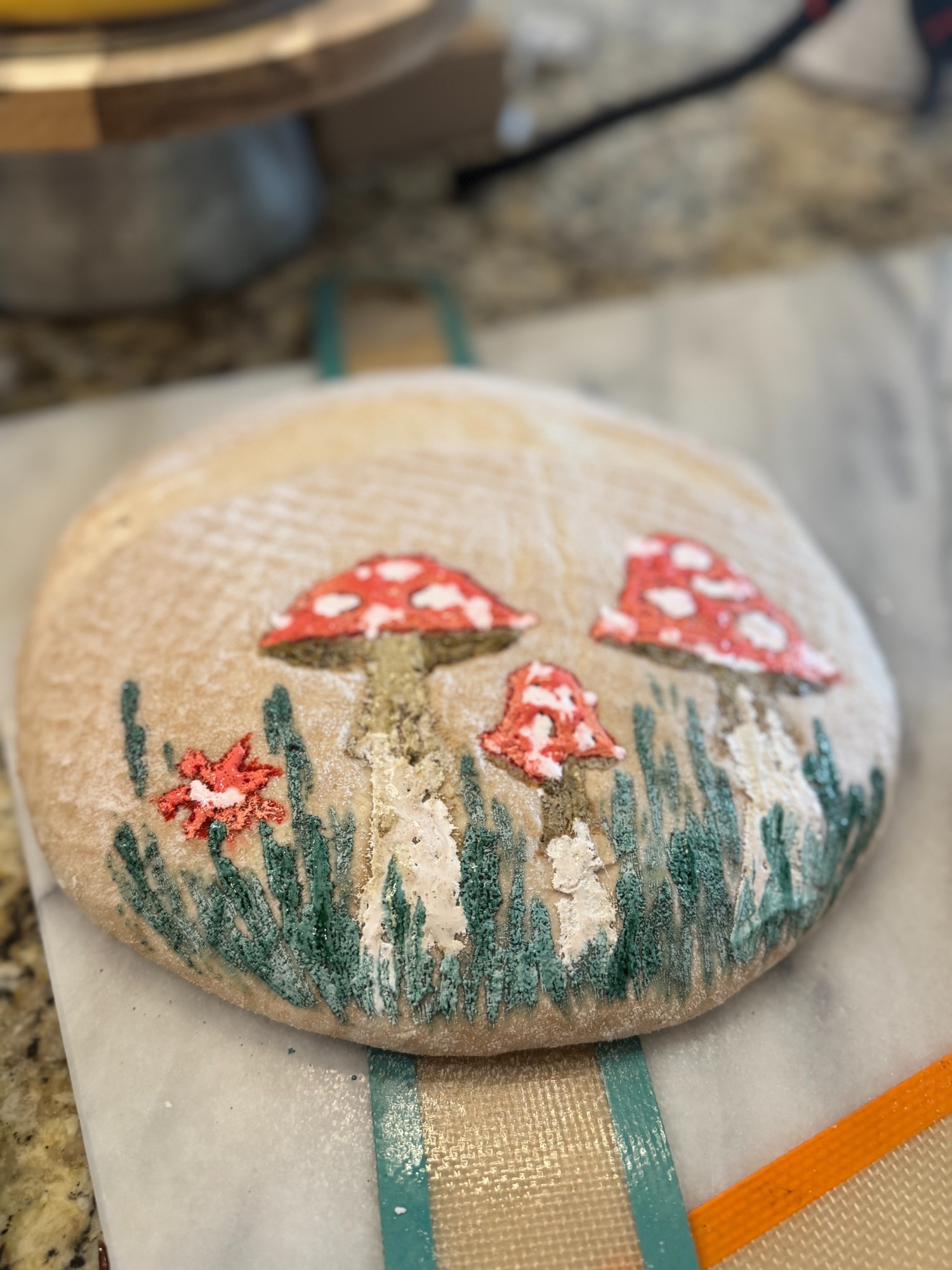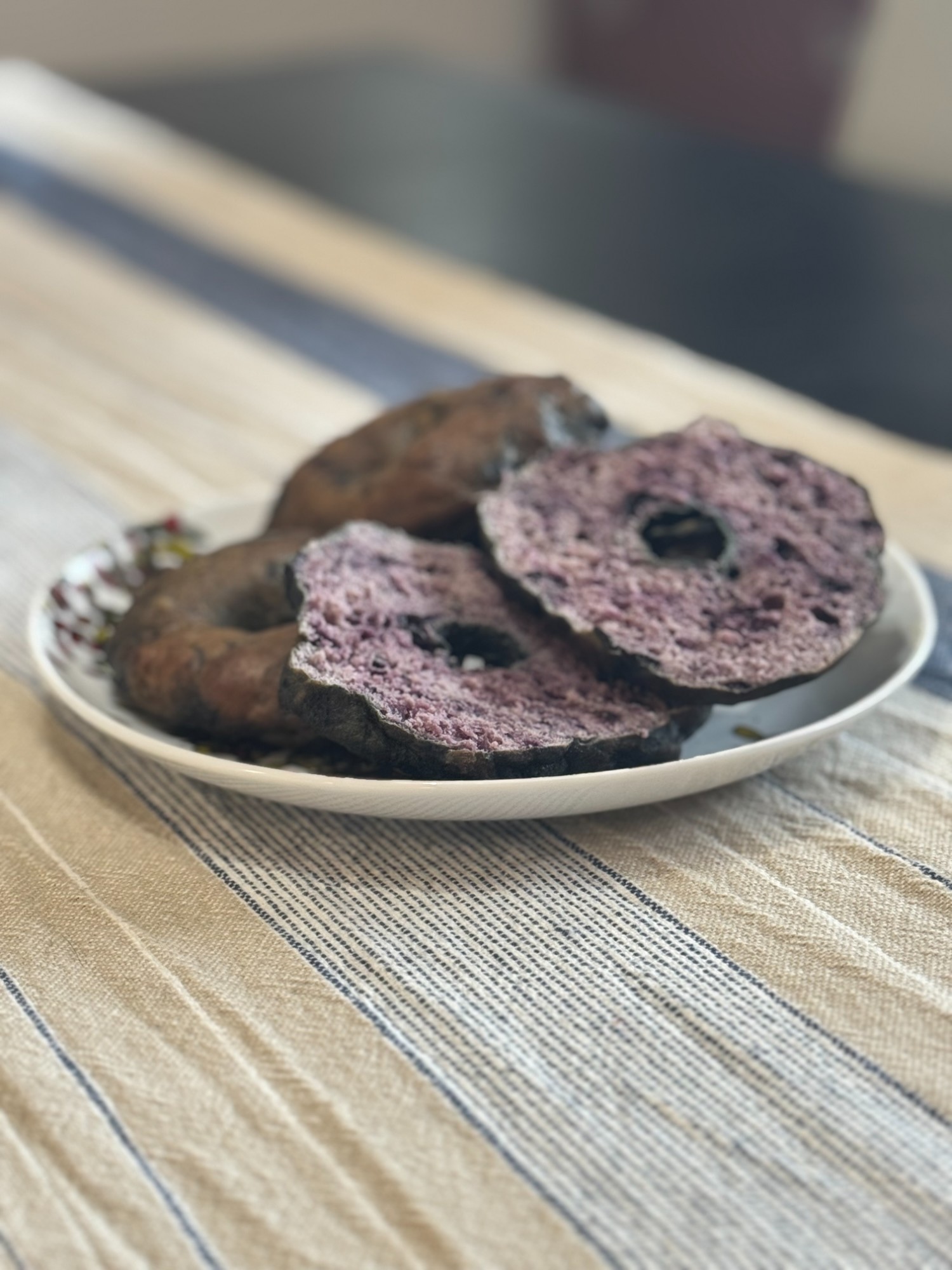
You bake better bread than anyone in your zip code. That doesn't matter if no one can find you. Building an online presence isn't about chasing followers — it's about making sure the right people in your neighborhood know exactly what you make and how to buy it.
This is part seven of an eight-part series on starting a microbakery. By now you've sorted your legal setup, locked in your product lineup, priced your bakes, chosen a sales channel, and gotten your packaging and labeling right. Now it's time to make sure the people who want what you're making can actually find you.
The good news: you don't need a big budget. You don't need to be a tech person. And you don't need 10,000 followers to fill your first week of orders. You need to show up in the right places, say the right things, and make it easy for someone to go from "I found you" to "I ordered from you." Let's build that.
Why Online Presence Matters Even for Local Bakeries
It's tempting to think that because your customers are local — within five or ten miles — you don't need a real online presence. That thinking will stall your growth before it starts.
Consider how most people find a new local food business today. They don't drive around hoping to spot a table at a farmers market. They search Google for "sourdough near me." They find a friend's Instagram story. They see a recommendation in a local Facebook group. They stumble on a TikTok of an incredible crumb shot and check the bio for where the baker is located. Every one of those touchpoints is an online channel, and if you're not on it, someone else is.
A solid online presence also builds trust before anyone's tasted your bread. A well-set-up Instagram profile with consistent, beautiful photos tells a prospective customer that you take your product seriously — long before they place their first order. Your website, even a one-page one, signals that you're a real operation. Your Google Business Profile shows up when someone searches your bakery name, with your hours, your location, and customer reviews.
None of this needs to be complicated. But all of it needs to exist.
Instagram: Your Most Important Platform
For most microbakeries, Instagram is the single most valuable platform — full stop. It's visual, it's local-friendly with geotags and hashtags, and the audience of people who care about artisan food is enormous and deeply engaged. Start here.
Setting Up a Business Account
Create a dedicated Instagram account for your bakery — not your personal account, a separate one. Use your bakery name as the handle. If your exact name is taken, add your city or state: @flourhousekentucky beats @flourhouse_1987 every time. Switch the account to "Professional" and select "Business" — this unlocks insights, the ability to run ads later, and a contact button.
Your bio needs to do real work. You have 150 characters to tell people who you are, what you make, where you are, and what to do next. Something like: "Organic sourdough & pastries baked in [City, State] ✦ Pre-order by Tuesday for Friday pickup ✦ Link below to order". Add your city even if Instagram auto-fills your location — people searching locally will see it. Put your ordering link in the bio link. If you don't have a website yet, link to a Google Form or your Square ordering page.
Content That Actually Performs
You don't need professional photography. You need good light and interesting subjects — and bread is an endlessly interesting subject. Here's what reliably performs for microbakery accounts:
Scoring videos. Filming yourself scoring a dough before it goes in the oven is mesmerizing content. Use a consistent overhead angle, good natural light, and let the sound design do the work — the drag of the lame through the dough, the weight of the pull. These videos generate enormous save rates, which is Instagram's most powerful engagement signal.
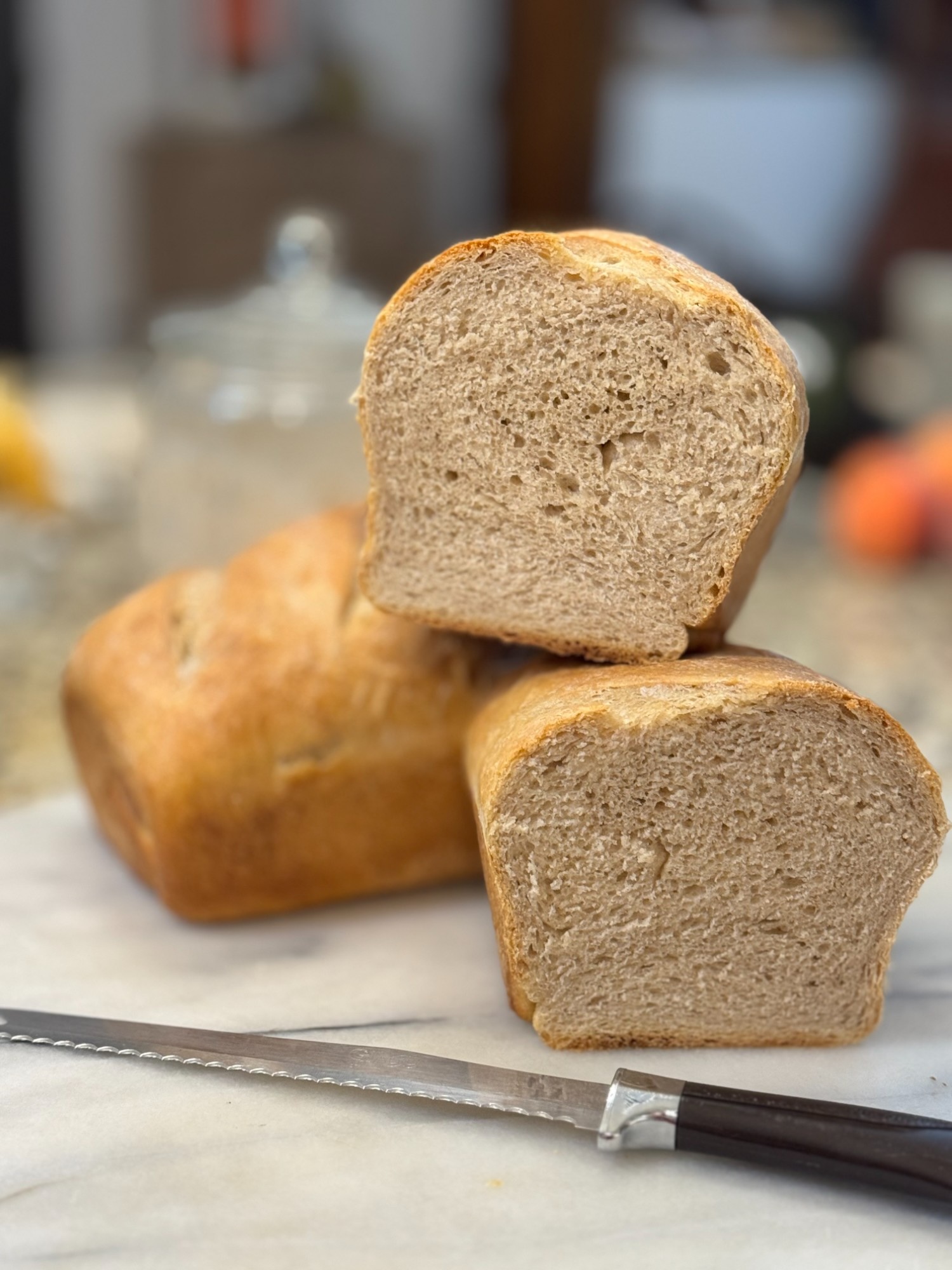
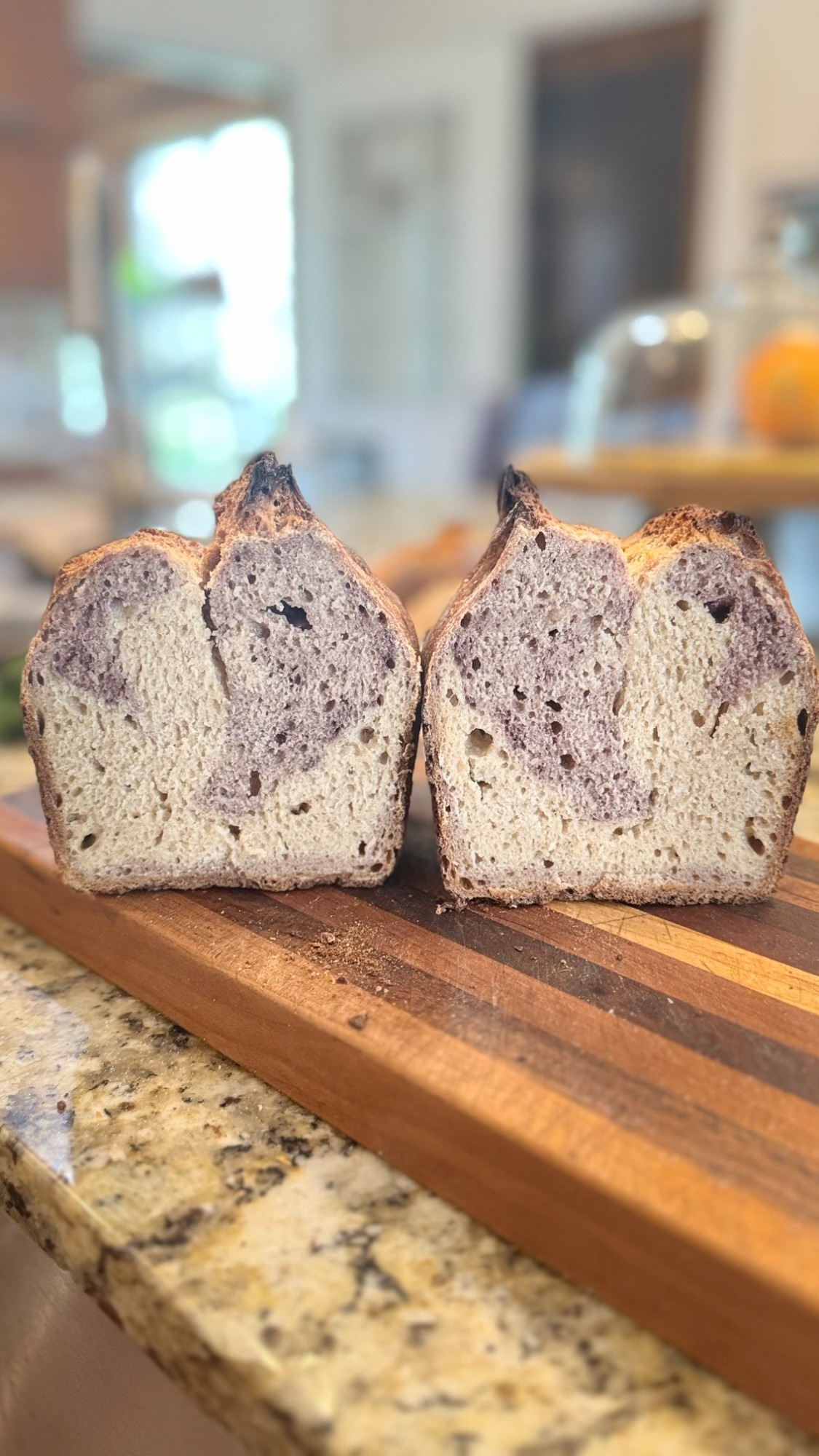
Crumb shots. The moment you pull a loaf apart and reveal an open, lacey crumb is the bread equivalent of a money shot. Film it. Photograph it. Post both. Bread enthusiasts go completely feral for a great crumb and will share, save, and comment freely. A single great crumb photo can pull hundreds of new followers from outside your area — and while most of them can't buy from you, the engagement boosts your account's reach with the people who can.
Process videos. Shaping, folding, stretching — all of it is visually compelling to people who don't bake. A 15-second clip of a proper ear-and-bloom oven spring, watched through oven glass, routinely outperforms polished food photography. These are easy to capture: prop your phone up, set it to record, and bake. Review the footage later and cut the best 15–30 seconds.
Behind-the-scenes content. Your 5 AM kitchen. The mise en place before a big bake day. The moment you pull a perfect batch. Customers who follow you before they've ordered are already invested in your story — let them see it. This kind of content builds the relationship that turns a casual follower into a loyal repeat customer.
Product features and availability announcements. Every time you open orders or announce what's available that week, post it. Make it visual. Tell people exactly what's available, how many are left, when the deadline is, and what to do to get one. These posts should be clear and direct — they're not the place for artsy ambiguity.
Posting Cadence
Three to four posts per week is the floor. Five to seven is ideal for a growing account. If that feels overwhelming, batch your content. Set aside two hours once a week — film your process during a regular bake day, take 10–15 photos, and schedule them for the week ahead. Instagram's native scheduler lets you queue posts in advance for free.
TikTok: The Discovery Engine
If Instagram is where you maintain your relationship with existing followers and local customers, TikTok is where brand-new people find you. TikTok's algorithm is the most powerful content discovery engine ever built — it actively shows your content to people who've never heard of you, based entirely on how engaging that content is. For microbakers, this is a genuine opportunity.
What Performs on TikTok for Bakers
The content types are similar to Instagram but the format demands are different. TikTok is vertical video, 15 seconds to 3 minutes, with a strong hook in the first two seconds. You need to earn attention immediately — "watch me score this loaf" as on-screen text while you dive straight into the action beats any slow introduction.
The most powerful TikTok formats for microbakeries are the day-in-the-life bake day (start to finish, compressed into 60–90 seconds), the satisfying transformation (raw dough to finished loaf), and the educational explainer (why sourdough takes 24 hours, what a proper ear looks like, why your loaf might not have risen). The educational stuff builds massive authority and drives follows from people who are genuinely interested in learning — and who trust you more because you taught them something.
How TikTok Differs from Instagram
Your TikTok followers are unlikely to be in your local area — the algorithm casts wide. That's fine. You're building a brand. Awareness of who you are and what you make creates a flywheel: TikTok followers share your content, that content reaches local people, local people look you up, find your Instagram and website, and become customers. It's a longer loop than Instagram's more direct local approach, but the reach is unmatched.
Use TikTok's text overlays, trending audio (search "viral food sounds" for options that consistently perform), and clear hooks. End every video with a CTA — "order link in bio" if you're selling, "follow for more" if you're building. And enable your location in your profile so local viewers can identify you quickly.
Repurposing Between Platforms
The smartest approach is to create content once and use it everywhere. Film your process in vertical video. Post it to TikTok. Download the TikTok version and remove the watermark using SnapTik or a similar free tool, then post it to Instagram Reels. Save the best still frames for Instagram feed posts. One bake day of filming can fuel a full week of cross-platform content.
Facebook: Still Worth Your Time for Local Communities
Facebook's organic reach has declined sharply for brands and pages, but for local community engagement it remains genuinely useful. The reason: local Facebook groups. Nearly every town and city has multiple highly active local groups — buy/sell groups, neighborhood groups, local foodies groups — and these are where community word-of-mouth lives online.
Create a Facebook Business Page for your bakery. Keep it updated with your ordering info, weekly availability, and any photos you're already posting elsewhere (just pull from Instagram). You don't need to create original Facebook content — just keep the page current so it serves as a reference point.
Where Facebook earns its place is in the groups. Join every relevant local group you can find and participate genuinely — answer questions, be helpful, be a real community member. When you have a genuine announcement (you're opening pre-orders, you're at the farmers market this weekend, you have extra loaves available), post it. A single post in a local foodie group with 8,000 members can bring in more first-time customers than a week of Instagram content.
Facebook Marketplace is also underrated for cottage food visibility. List your most popular products regularly. Keep the listing updated with current photos and pricing. Many buyers search Marketplace specifically to find local producers, and it costs nothing.
Geotagging and Local Hashtag Strategy
Your Instagram and TikTok content needs to find local people — not just bread enthusiasts globally. Geotagging and strategic local hashtags are how you do this.
On every Instagram post, add your location. Tag your city. Tag your farmers market when you're there. Tag your neighborhood if it's distinct and searchable. Instagram's Explore page filters by location, and your posts become discoverable to people browsing local content.
For hashtags, use a layered strategy: one or two broad food hashtags (#sourdough, #artisanbread), two or three mid-tier baking hashtags (#microbakery, #cottagebakery, #homebaker), and three to five hyperlocal hashtags (#[yourcity]food, #[yourcity]eats, #[yourstate]foodie). The local hashtags are low-volume but high-intent — when someone searches #louisvillefood, they're looking for exactly what you make.
Search your location-based hashtags and engage with the posts there. Like, comment genuinely, follow accounts you like. Instagram's algorithm takes note of your community activity and rewards accounts that participate authentically in local content ecosystems.
How to Convert Followers Into Paying Customers
Followers are not customers. The gap between someone hitting follow and someone placing their first order is a real gap that you need to intentionally close.
The most important thing you can do is make ordering easy and obvious. Every post that involves your actual products should end with a clear next step: "Pre-orders open through Tuesday — link in bio." "DM me to get on the list." "Order through the link below." Don't assume people know how to buy from you — tell them, every single time.
Create urgency without being pushy. "12 loaves available this Friday, 7 claimed already" is an honest statement of scarcity that motivates action. "Limited availability this week — order by Wednesday" is a legitimate deadline. These aren't manipulation tactics; they're real constraints of a small-batch operation, and communicating them is just good customer service.
Offer an easy first purchase. A slightly lower price on a sampler, a free inclusion upgrade for first-time customers, a personal note in the bag — small gestures that reduce the perceived risk of ordering from someone new. Once someone has ordered once and experienced the quality, repeat purchases come naturally.
"You don't need 10,000 followers to fill your first week of orders. You need 100 engaged local people who know exactly how to buy from you."
Your Website: What You Actually Need
You need a website. Not an elaborate one. Not an e-commerce platform with inventory management and shipping tiers. You need a place that loads fast, looks clean, tells people what you make, says where you are, and explains how to order.
A one-page website is completely sufficient for a starting microbakery. Many successful operations running five-figure monthly revenues operate off a single-page site with five sections: hero (bakery name and tagline), about (short version of your story), menu/products (what you make, with photos), ordering info (how it works, pickup/delivery options, deadlines), and contact.
Free Website Options That Actually Work
Carrd is the best free option for most microbakers. It produces clean, fast, mobile-optimized single-page sites with zero coding required. The free tier is generous. Pro ($19/year) adds forms, custom domains, and Google Analytics. Start free, upgrade when you're making real money.
Square Online integrates directly with your Square payment processing and gives you a real product ordering page for free. If you're already using Square for payments, this is the obvious choice — your products, pricing, and orders all live in one place.
Google Sites is genuinely underrated for local businesses. It's free, integrates with Google Analytics and Google Business Profile, loads fast on mobile, and produces tidy, functional sites. Not the most beautiful option, but functional and zero-cost forever.
What to Put on Your Website
Keep it focused. Your website visitor wants to know four things: What do you make? Is it good? Where and how can I get it? When can I get it? Answer those questions clearly, in that order. Lead with a great photo of your signature product. Write a brief, warm, human paragraph about who you are and why you bake. List your current menu with photos and prices. Explain your ordering process step by step. Add your contact info and a way to sign up for your email list.
Do not add: extensive blog content you won't maintain, complex navigation, pop-ups, auto-playing video, or anything that slows the page down. Speed and clarity are the two most important qualities of a small-business website. Everything else is decoration.
Google Business Profile: Your Free Local SEO Superpower
Google Business Profile (formerly Google My Business) is one of the highest-ROI moves a local business can make, and it's completely free. When someone Googles your bakery name, or searches "sourdough bread [your city]," your Business Profile is what shows up in the right panel — with your address, phone number, hours, photos, and customer reviews.
How to Set It Up
Go to business.google.com and create a profile. You'll need to verify your location — Google typically mails a postcard with a verification code to your address, which takes about a week. Fill out every field: business name, category (Bakery), description, address, service area, hours, phone, and website. Upload at least 10 high-quality photos of your products, your space, and yourself.
Once you're live, keep it current. Update your hours when they change. Add photos regularly. Post announcements (Google Business supports posts, which show up in search results). Most importantly, respond to every review — thank the positive ones specifically, address the negative ones professionally. Review responses are publicly visible and signal to prospective customers that you care about your business.
The long-term payoff of a well-maintained Google Business Profile is significant. As your bakery accumulates reviews and engagement signals, you'll rank higher in local search results — meaning more people find you when they search for local bread, without you spending anything on ads.
The Crumb Cult Directory
Hot & Crusty's Crumb Cult directory is a free, curated listing of microbakeries across the country. It's designed specifically to connect bread lovers with local cottage bakers — exactly the audience you want. Listing your bakery here costs nothing and puts you in front of people who are actively searching for what you make.
A directory listing works differently from social media. It's not about engagement or entertainment — it's about discovery at the moment of intent. Someone looking for local sourdough is already ready to buy. Getting found at that moment is enormously valuable. Submit your listing early and keep it updated with your current offerings and ordering info.
List Your Microbakery Free in the Crumb Cult →Email List Building: Start From Day One
Social media platforms come and go. Algorithms change. Accounts get restricted. The audience you build on any platform is, ultimately, rented — the platform can take it away. Your email list is the only audience you actually own.
Start building your email list before you have your first customer. Add a simple sign-up form to your website — "Join my weekly order list" or "Get first access to weekly availability" are more compelling than a generic "subscribe to newsletter." People will sign up if they believe they'll get something useful: early access to limited products, first notice when you reopen orders, a discount on a first purchase.
Use Mailchimp, ConvertKit, or Klaviyo — all have free tiers that are more than sufficient for a starting microbakery. Your weekly email doesn't need to be elaborate: what's available this week, how to order, the deadline, and a single good photo. That's it. Sent every week, that becomes a trusted touchpoint that drives consistent repeat orders.
Your email list is also where you communicate with your most loyal customers about big announcements: new products, closures for vacations, price changes, expansions. These people have explicitly said they want to hear from you. Honor that by showing up consistently and providing real value.
Staying Consistent Without Burning Out
The biggest threat to a microbakery's online presence isn't getting started — it's stopping. An Instagram account that posted prolifically for six weeks and then went dark is worse than an account that posts twice a week like clockwork. Consistency signals that you're open, active, and reliable. Inconsistency raises doubts.
The solution is the content batch day. Once a week — or even once every two weeks — set aside two to three hours dedicated entirely to content creation. Bake on that day, film everything worth filming, take your best photos, write your captions, and schedule the whole week's worth of posts. Then don't think about it until next batch day.
Some practical tips: keep your phone charged and positioned consistently so filming is second nature during a bake. Keep a running note on your phone of caption ideas, product descriptions, and things worth sharing. Build a small stock of "evergreen" content — photos and videos that aren't time-sensitive — so you always have something to post if a week gets away from you.
You don't need to be on social media every day. You need to post good content consistently. Those are very different things, and confusing them is what burns bakers out.
Your Week 1 Online Presence Checklist
- Instagram business account created, bio complete, first 3 posts live
- TikTok account created (optional but recommended), first video posted
- Facebook business page created and linked to Instagram
- One-page website live with bakery name, products, ordering info, and contact
- Google Business Profile submitted and verification underway
- Crumb Cult directory listing submitted
- Email sign-up form live on website and linked from Instagram bio
You don't need all of this to be perfect on day one. You need it to be real and functional. The polish comes with time. The foundation needs to be in place before you take your first order — which is exactly where we're headed in Part 8.