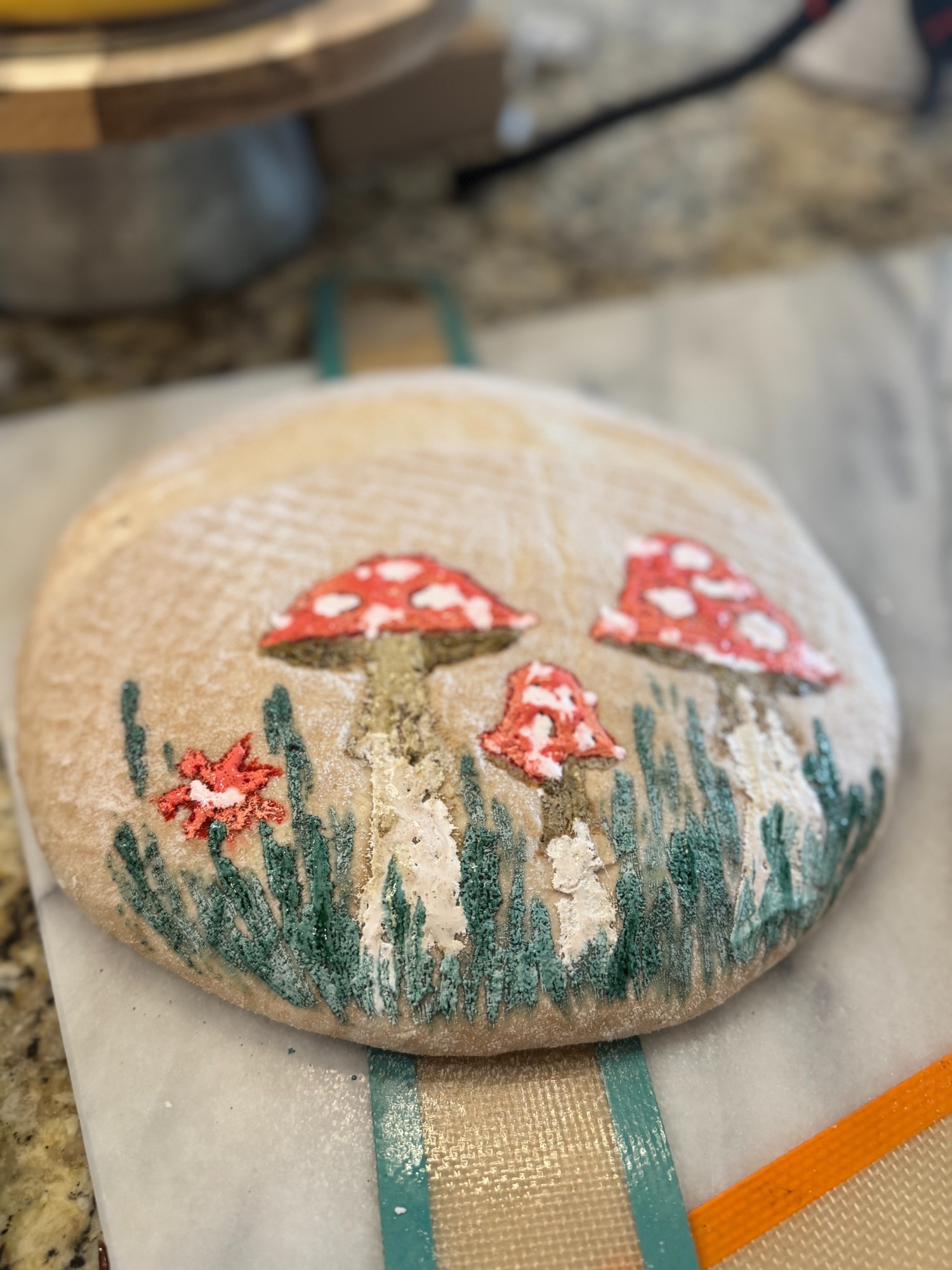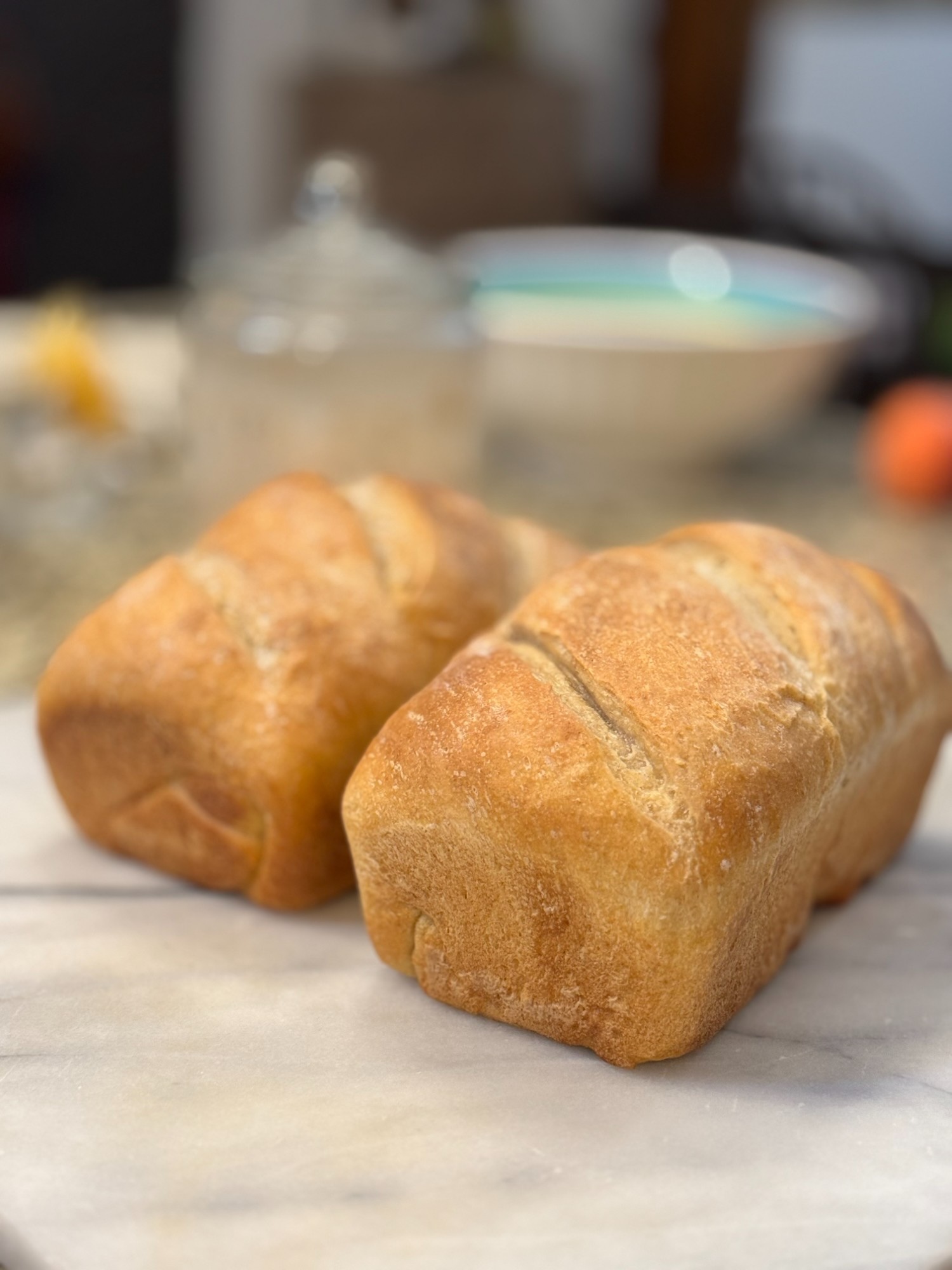
You've baked beautiful loaves for yourself and your family. Your starter has a name, a personality, and a feeding schedule you've memorized. But there's a meaningful difference between a starter that performs reliably for one household and a starter that can anchor a production schedule week after week. That difference — and how to close it — is what this article is about.
The same principle applies to your product lineup. Hobbyist baking rewards exploration and variety. Business baking rewards focus and consistency. Moving from one to the other is less about skill and more about mindset. The baker who can produce the same outstanding loaf fifty weeks in a row is more valuable to customers — and more profitable — than the baker who makes something brilliant once and something mediocre the next time.
This article covers your starter in depth, then walks through how to build a focused core product lineup before you open for your first orders.
Why Starter Reliability Is Different at Production Scale
At home, an inconsistent starter is an inconvenience. You push back the bake by a few hours, adjust your hydration, maybe skip the loaf and make pancakes instead. The stakes are low.
In a pre-order business, an inconsistent starter is a customer service problem. You've told fifteen people they're getting bread on Friday. If your starter underperforms on Thursday, you have two choices: deliver bread that isn't up to your standard, or cancel orders and explain why. Neither is good. Both are avoidable.
Production-scale reliability means your starter does the same thing, within the same timeframe, every time you use it — regardless of ambient temperature swings, flour lot variations, or the fact that you forgot to feed it at exactly the same hour as last week. That level of consistency comes from a mature, well-established starter and a feeding routine that's genuinely systematic rather than approximate.
The good news is that this kind of reliability is achievable. It doesn't require a perfect starter from birth. It requires a mature starter and a disciplined process.
Signs of a Mature vs. Immature Starter
A mature starter is one that has been through enough feeding cycles to develop a stable, robust microbial community — a balance of wild yeasts and lactic acid bacteria that reliably produces gas, acidity, and leavening power on a predictable schedule.
Here's how to distinguish a mature starter from one that isn't ready yet:
Signs of a mature, production-ready starter:
- Predictable peak timing. After a standard feed, your starter reliably reaches peak activity within the same 1–2 hour window, day after day. You know that if you feed at 8am, it will be ready to use between 12pm and 2pm. This predictability is the most important sign of maturity.
- Strong, consistent rise. Your starter at least doubles — ideally triples — reliably after each feeding. You shouldn't see significant variation in rise height between feedings done under similar conditions.
- Domed apex, clean fall. At peak, the surface domes up clearly. Past peak, it collapses cleanly. If your starter never really domes or just slowly deflates rather than rising and falling clearly, it needs more time.
- Consistent aroma. A mature starter smells pleasantly sour and slightly yeasty — tangy, with a mild alcohol note at peak. The aroma should be consistent and appealing, not sharp or unpleasant.
- Good float test performance. A small amount of ripe starter dropped in water should float reliably. This isn't a perfect test, but a starter that consistently floats at peak is leavening well.
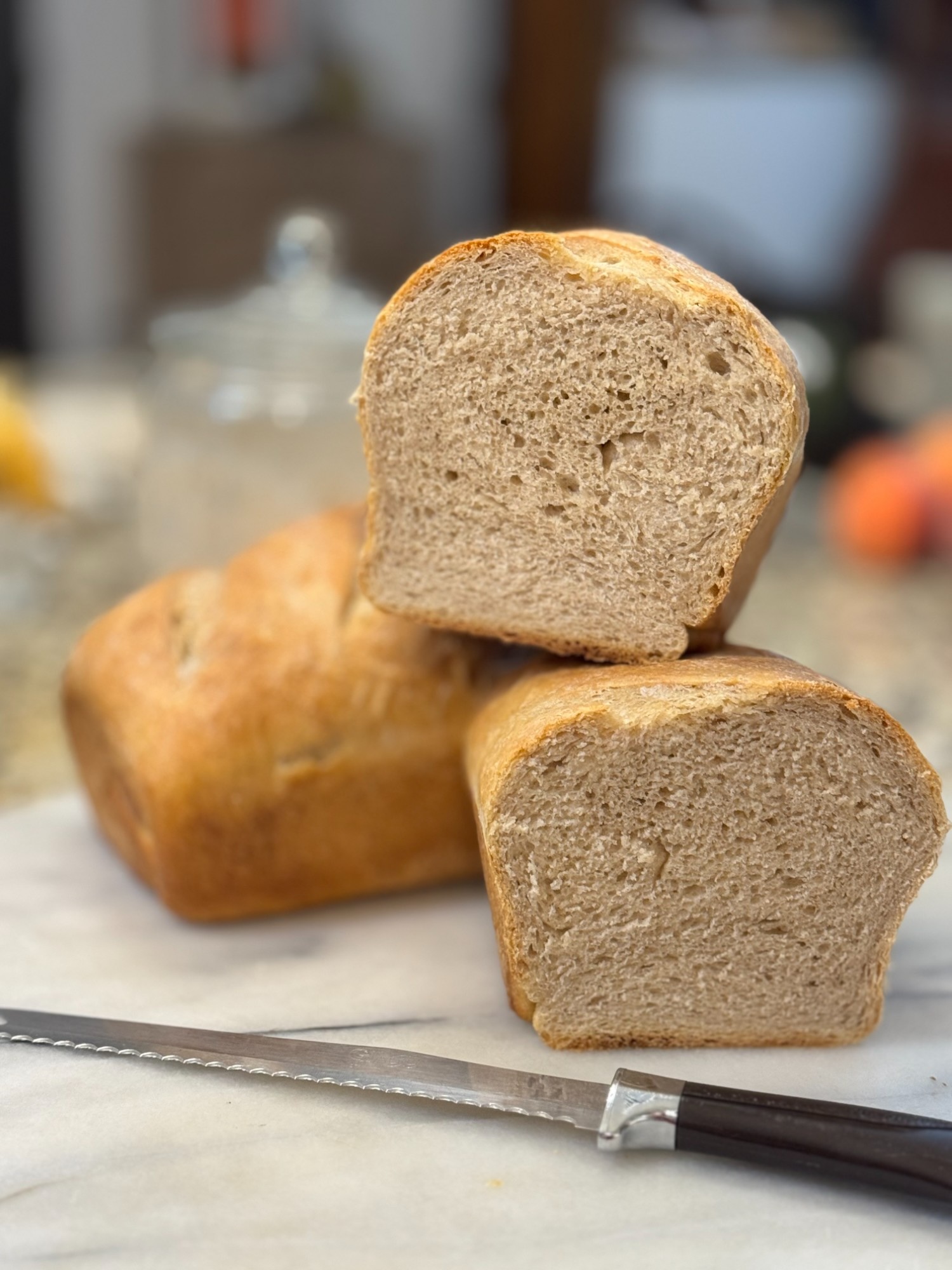
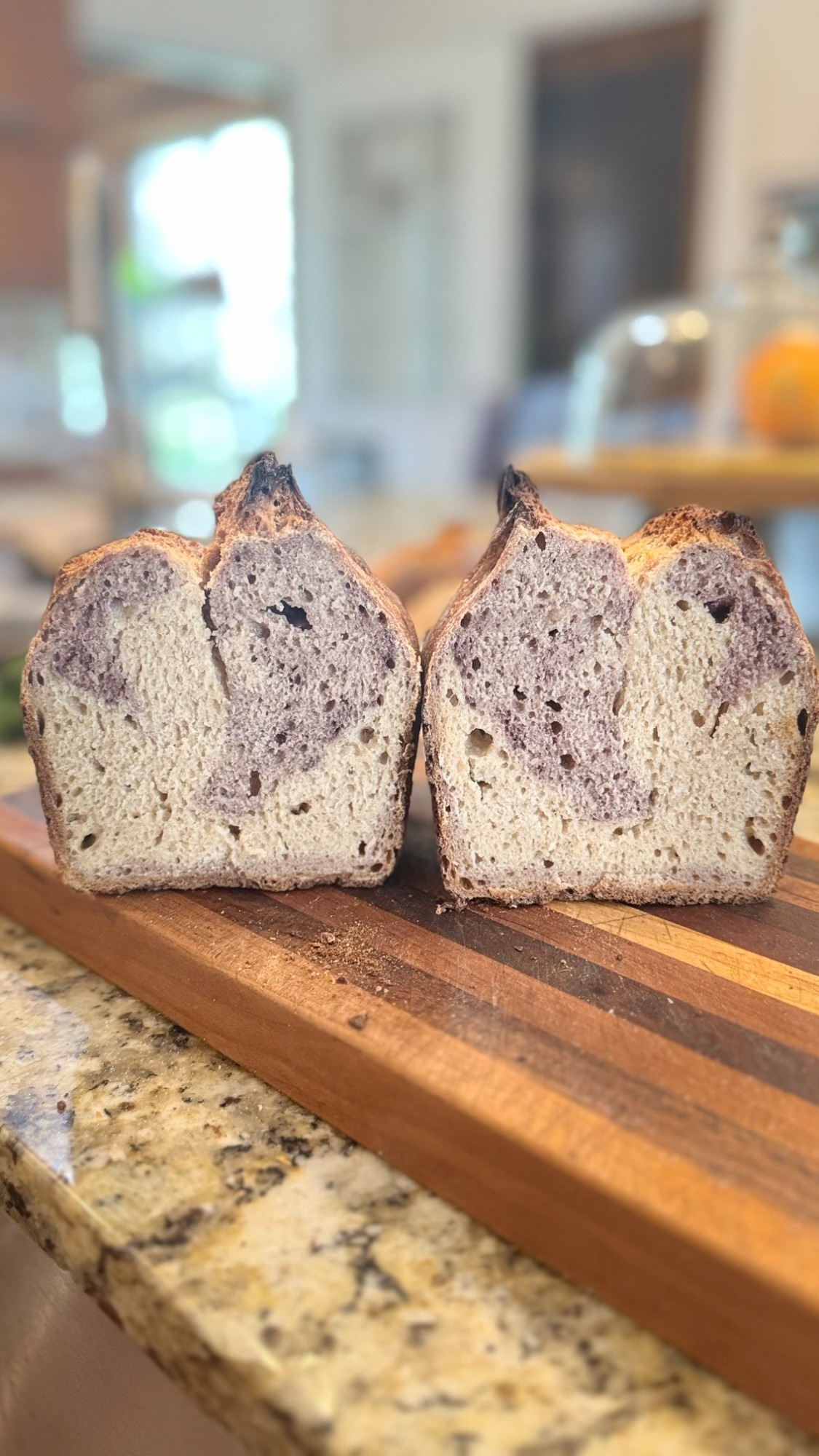
- Healthy crumb in test bakes. The most reliable test is the bread itself. A mature starter used in a consistent recipe should produce a consistently open crumb with good oven spring, every time.
Signs of an immature or unreliable starter:
- Unpredictable peak timing — it's ready in 4 hours one day, 10 hours the next
- Inconsistent rise — doubles sometimes, barely rises other times
- Off aromas — sharp, acetone-like, or unpleasantly sour rather than pleasantly tangy
- Poor oven spring or flat crumb in test bakes even when other variables are controlled
- Sensitivity to small changes in temperature or flour that causes major behavioral swings
- Age under 2–3 months, or significantly under-fed history
If your starter shows multiple signs of immaturity, it's not ready to anchor a production bakery. The solution isn't to work around it — it's to fix it before you start taking orders. An unreliable starter will compromise every loaf you produce and make your production schedule unpredictable. Address this first.
Feeding Schedules and Consistency
For a hobbyist, feeding a starter "roughly once a day" is fine. For a production microbaker, feeding at consistent times with consistent ratios on a consistent schedule is non-negotiable.
Here's why: wild yeast populations are sensitive to the rhythm of feeding. When you feed at the same time with the same ratio, you're essentially training the microbial community to reach peak activity on a reliable schedule. Erratic feeding — different times, different ratios, long gaps — produces erratic peak timing and uneven leavening power. You can't build a production schedule around a starter you can't predict.
For a once-daily bake schedule (the most common microbakery cadence), a basic feeding approach looks like this:
- Ratio: 1:5:5 (1 part starter, 5 parts water, 5 parts flour) for a room-temperature overnight levain
- Timing: Feed your levain at the same hour every evening. Build your bake schedule backward from that feed time.
- Temperature: Keep your starter in a consistent location. If your kitchen runs cold in winter, consider a proofing box or warm spot. Temperature swings are the most common cause of inconsistent peak timing.
- Flour: Use the same flour blend for your starter feedings. Switching flour types — especially switching from white to whole wheat or rye — will shift the peak timing and activity level. Establish your flour choice and stick with it.
Many experienced production bakers maintain two starters: a primary starter kept in the refrigerator, fed weekly as a "mother," and a levain they build fresh for each bake day. This approach keeps the mother healthy with less frequent attention while giving the levain maximum activity and predictability for baking.
What to Do If Your Starter Is Young or Unreliable
If your starter is less than 3 months old, has been irregularly fed, or is showing signs of inconsistency — don't try to build a production bakery around it right now. This isn't a judgment; it's practical advice. The risk of a starter-related failure mid-production is too high when you have customers expecting orders.
Your options:
Option 1: Give it time and a consistent schedule. Feed at the same time with the same ratio for 4–6 weeks straight. Use it in test bakes weekly. If the results are improving and stabilizing, you're getting there. This is the right path if you're not in a rush to launch.
Option 2: Start fresh with an established starter. A well-sourced, already-mature starter can be rehydrated and put to work in a matter of days rather than months. This doesn't mean your existing starter was a failure — it just means you're taking a shortcut to a known-good foundation. For a business launch, that shortcut has real value.
From Our Shop
Edgar Allan Dough™ — Dehydrated Organic Sourdough Starter
100% organic, grown in Kentucky, with a proven track record in home and production bakeries alike. Rehydrates in 3–5 days and comes with full rehydration instructions and a basic boule recipe. If your current starter isn't performing at the level you need, Edgar Allan Dough gives you a dependable, fully mature foundation to build on — without the months of development time.
Get Edgar Allan Dough — $14.99 →Option 3: Blend your starter with an established one. Some bakers feed their immature starter alongside or with a portion of an established one, effectively inoculating it with a more robust microbial community. This can accelerate maturity, though results vary.
Whatever you choose, don't open for pre-orders until your starter is performing reliably in test bakes. Bake the same recipe three times in a row. If the results are consistent, you're ready. If they're not, give it more time.
How to Choose Your Core Product Lineup
Here's a number that surprises most new microbakers: the most successful home-based bakeries almost universally start with 2–3 products, not 8–10. The ones that start with a sprawling menu almost always narrow it down within six months — usually after discovering that the complexity was killing their efficiency and muddying their reputation.
Your core lineup is the 2–3 products that will be available consistently, every week, from your very first order to your hundredth. These are not your only products forever. They're your foundation. And they should be chosen with the following criteria in mind:
1. Products you can execute at the highest level, consistently
Your core lineup should be built around your absolute best work — the things you make that genuinely rival what you'd pay top dollar for at a great bakery. Not "good for homemade." Good, full stop. This is non-negotiable because these are the products your reputation will be built on. Every order you fill is an advertisement for the next one.
2. Products that share a production workflow
Efficiency matters enormously in a home bakery. If your three core products can be bulk-fermented at the same time, shaped in the same session, and baked in the same window — that's a streamlined production day. If they require wildly different hydrations, temperatures, and timing, you'll be context-switching constantly and producing fewer units in more time. Choose products that play well together in your kitchen.
3. Products with strong local market fit
What does artisan bread sell for at your local farmers market? What are people asking about when they follow local bakery accounts on Instagram? Are there requests you keep hearing that aren't being fulfilled locally? Your core lineup should solve a real local demand, not just reflect your personal baking preferences. Both can be true — but market fit matters.
4. Products with favorable economics
Run a rough cost analysis on any product you're considering for your core lineup. Ingredient cost, time, packaging — all of it. Some products look like big sellers but produce thin margins. Others are simple, fast to produce, highly profitable, and customers love them. Your core lineup should include at least one product that is both high-demand and high-margin.
Why Fewer Products Is Better Business
This is worth dwelling on because the instinct to offer more — especially for bakers who love making a wide variety of things — can quietly undermine a new microbakery.
Every product you add to your menu multiplies complexity in multiple directions simultaneously:
- Ingredient complexity. Each product typically requires at least some unique ingredients, which means more SKUs to manage, more items to reorder, more risk of running short.
- Production complexity. Different hydrations, different shaping techniques, different proofing times, different bake temperatures. Each product requires mental bandwidth to execute correctly. When you're producing 40 units on a Friday morning before market, that bandwidth matters.
- Ordering complexity. A menu of 8 products means customers have more choices — which sounds good, but actually increases decision fatigue and order management complexity. Pre-order customers who have to pick from 8 items take longer to decide and are more likely to abandon the order flow altogether.
- Reputation complexity. "They make incredible country sourdough" is a shareable, memorable reputation. "They make lots of different things" is not.
The best microbakeries aren't the ones that make the most things. They're the ones that make a small number of things exceptionally well, week after week, and build a customer base that comes back for exactly those things.
"Two products made perfectly will build a stronger business than ten products made well."
How to Test and Iterate Your Lineup
Before you commit to a core lineup, test it — not once, but as a production run. This means baking at scale, under real conditions, and evaluating the results honestly.
Here's a practical test protocol for any product you're considering:
- Produce 6–8 units in a single session (not 1–2, which is hobby scale). This surfaces workflow issues and quality consistency problems that single-loaf baking doesn't reveal.
- Photograph the results. Not to post immediately — to evaluate. Are all 8 loaves roughly the same quality? Are there outliers in crust color, oven spring, or crumb that you'd be embarrassed to hand to a paying customer?
- Get real feedback, not polite feedback. Share with people who will be honest with you: serious home bakers, local food professionals, your most critical friends. Ask specifically what's working and what's not. Polite feedback is useless at this stage.
- Cost it out precisely. Ingredient cost per unit at production batch size. Time per unit including prep, bake, and cleanup. Add packaging. Divide into a realistic sale price and see what your margin actually is.
- Do it again next week. Consistency over two or three consecutive production runs is the real test. If it works once, that's encouraging. If it works three weeks in a row with similar results, that product is ready for your menu.
Seasonal vs. Year-Round Products
Your core lineup should be built around year-round products — items you can produce and sell every week regardless of the season. These are your business anchors. They're what customers subscribe to, come back for, and refer their neighbors for.
Seasonal products are an add-on, not a foundation. A pumpkin spice sourdough in October, a cranberry walnut loaf in December, lemon blueberry sourdough in June — these are excellent additions that create excitement and justify higher prices. But they work because the year-round core is solid and consistent. The seasonal product is the feature that rewards loyal customers. The year-round core is what makes them loyal in the first place.
Some considerations for seasonal products:
- Don't introduce a seasonal product until your core lineup is fully stable and selling consistently
- Test seasonal products in small batches before committing to large runs
- Price seasonal items slightly higher — inclusion breads take more time and cost more to produce, and customers expect a premium
- Be honest with yourself about whether you actually want to make the same pumpkin spice loaf every week for 8 weeks straight. The answer should be yes before you add it to the menu.
The Difference Between a Signature Product and a Menu Item
This distinction matters more than most new microbakers realize. A menu item is something you sell. A signature product is what you're known for — it's the thing that gets texted in screenshots to friends, that makes people tag you on Instagram, that results in "can you make one for my neighbor's birthday?" messages.
Every successful microbakery eventually develops at least one signature product, whether they planned it or not. It's often not the product they expected. It's frequently the thing that seems simple to them but strikes customers as exceptional or distinctive.
When you're building your initial lineup, you won't know which product will become your signature. But you can create the conditions for it by:
- Including at least one product that is clearly distinctive — not just "good sourdough" but something with a specific flavor profile, shape, technique, or story that makes it memorable
- Naming your products intentionally. "Country sourdough" is a menu item. "The Ridgewood" (named for your street or neighborhood) is a signature.
- Executing that distinctive product at the highest possible level from day one. The signature product earns its status by being genuinely remarkable. It can't be rushed into that position.
Your signature product may not be apparent until you've been selling for a few months. Watch your orders, your Instagram DMs, and your customers' comments. They'll tell you what your signature product is, even if you didn't plan it that way.
The Standard for "Ready"
Before you take your first pre-order or show up at your first market, you need to be able to answer yes to three questions:
- Can my starter produce consistent, high-quality bread three weeks in a row, at the batch size I'll be producing for orders?
- Have I baked my core products at production scale and been genuinely happy with the results every time?
- Do I have a production schedule I can stick to — a realistic plan for when I'll bake each week, how many units I can produce, and how orders will be fulfilled?
Three yeses means you're ready. One or two no's means you have more work to do. That work is not failure — it's investment. The microbakers who launch with a mature starter and a tested lineup don't just have better first batches. They have better second, fifth, and fiftieth batches too. The foundation you build here is the foundation you'll build on for years.