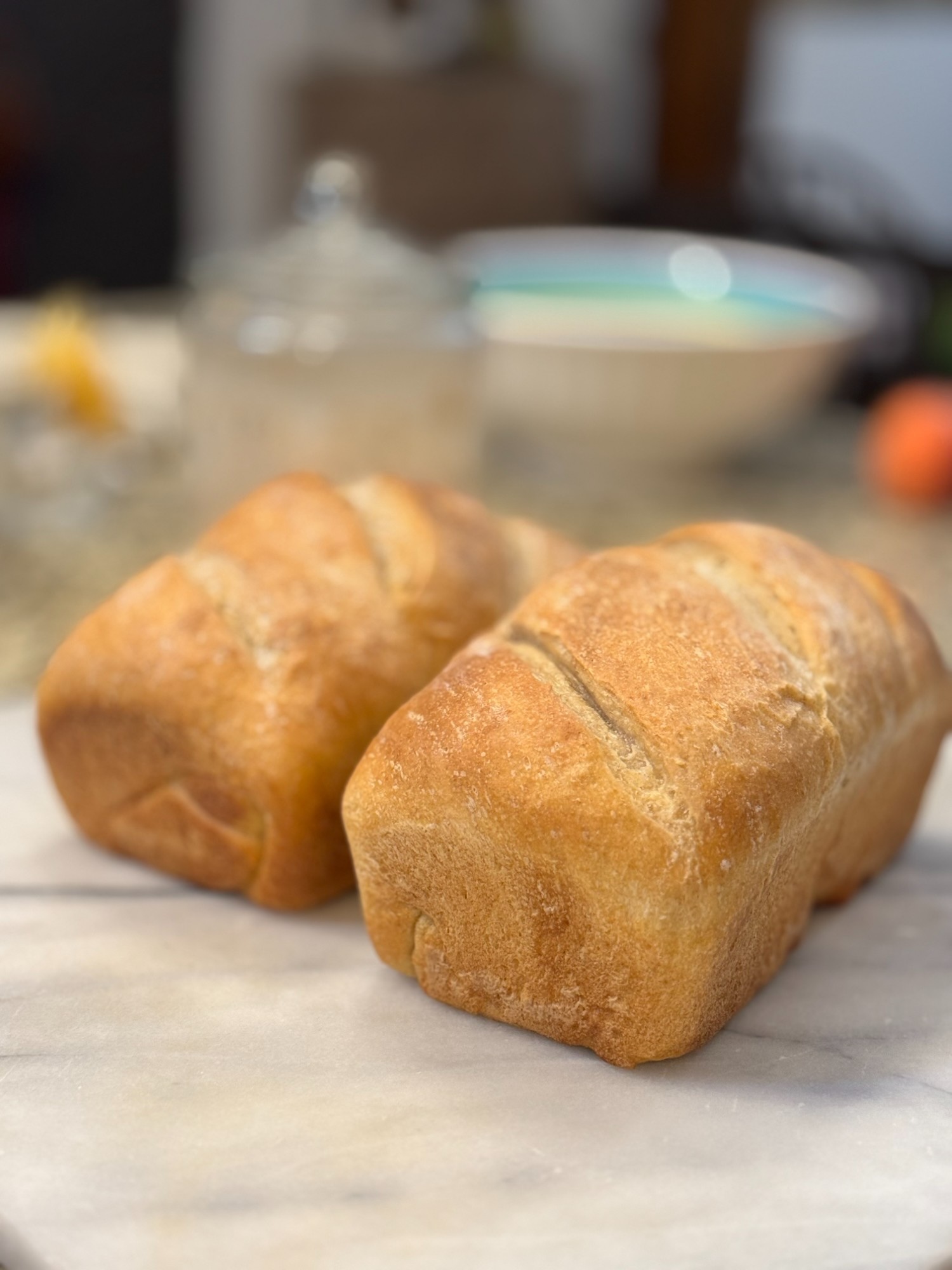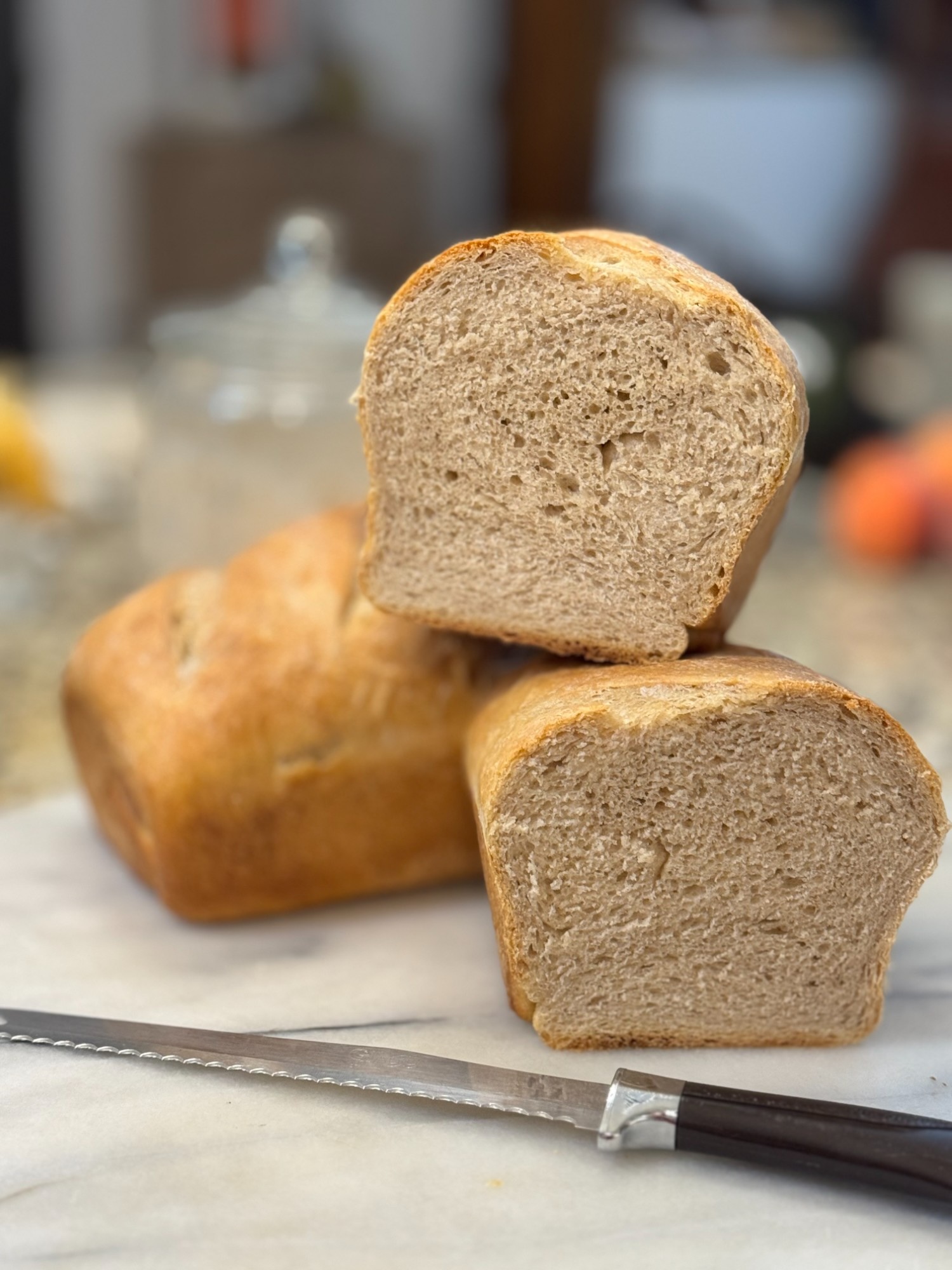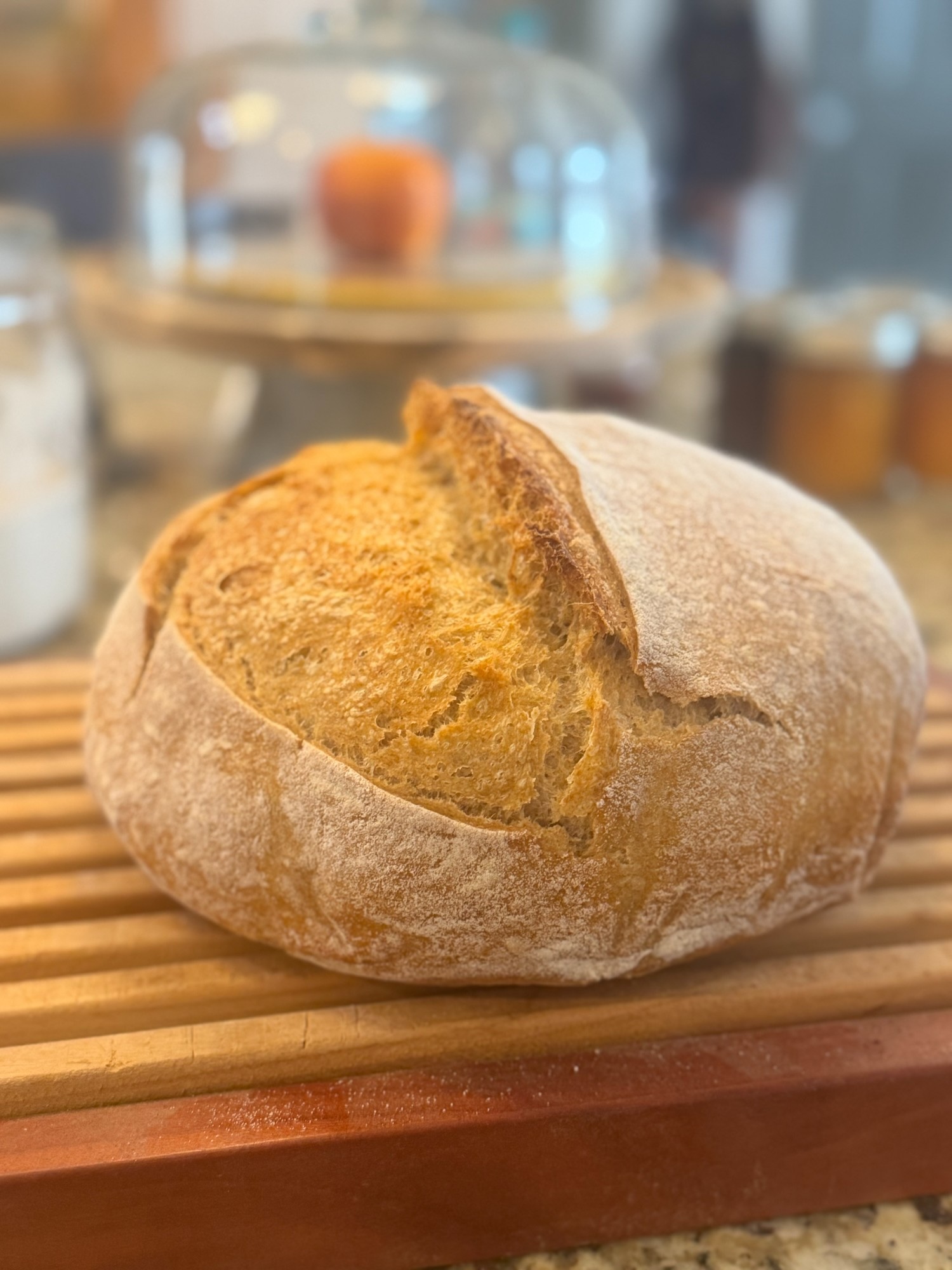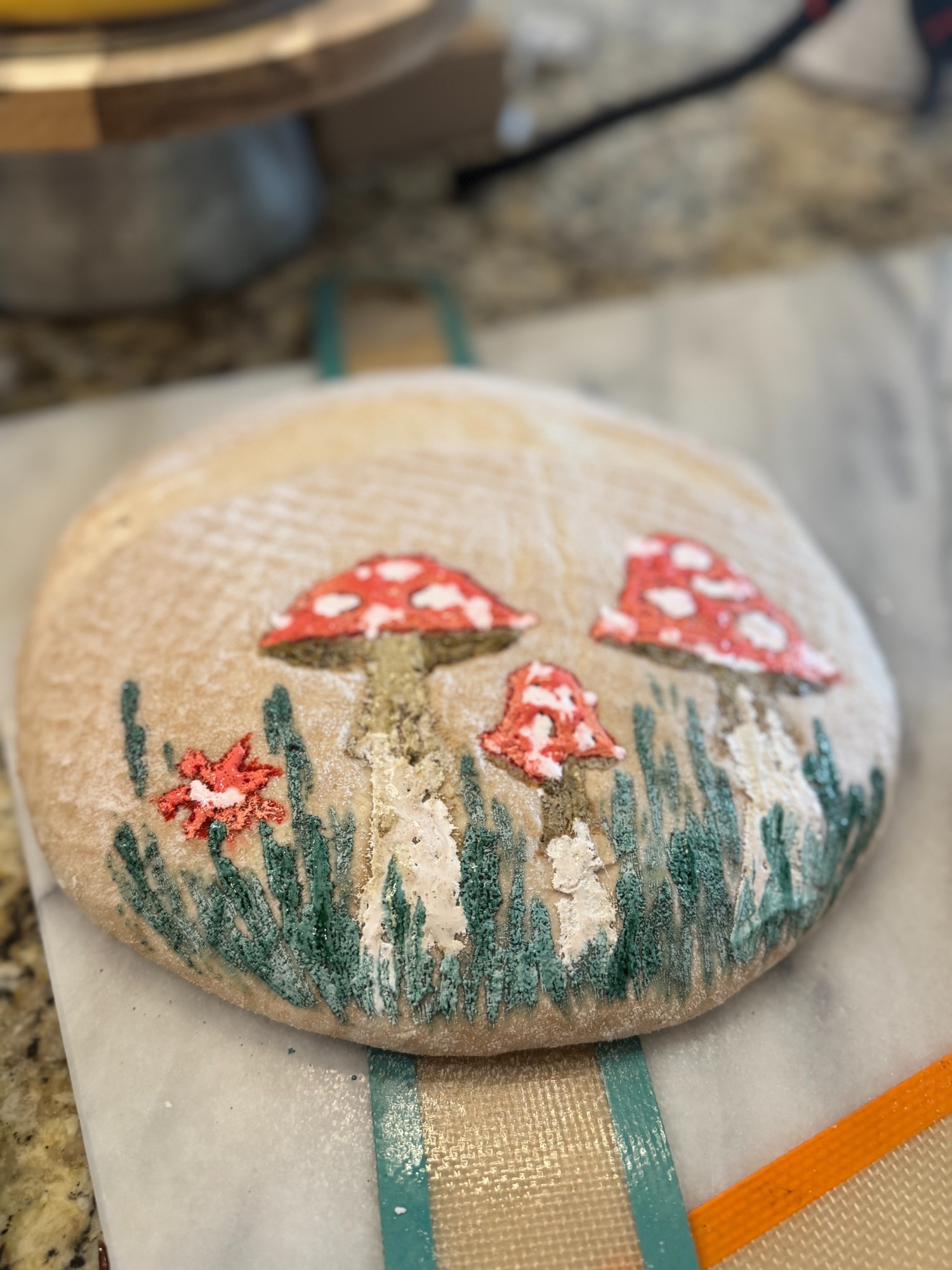
Every microbakery starts with the same question: can I actually sell this? The answer, in every single U.S. state, is yes — but the rules governing how, where, and how much you can sell vary widely. Understanding cottage food laws isn't just a legal formality. It's the foundation on which your entire business is built.
Skip this step and you're operating blind. Do it right — which takes one afternoon, not a law degree — and you'll have a clear picture of exactly what you're allowed to do, what's off the table for now, and what triggers a move to the next level. That's the whole point of this article.
What Are Cottage Food Laws, and Why Do They Exist?
Cottage food laws are state-level regulations that allow individuals to produce and sell certain types of food from a home kitchen without obtaining a commercial food production license. They were created to give small-scale, low-risk food producers a legal path to market — specifically the kind of home-based entrepreneurs who might be making jams, baked goods, or candy and want to sell them locally.
The "cottage" in cottage food is a nod to the concept of the home as a small-scale production space. These laws were created in response to the reality that thousands of people were already selling homemade food — at farmers markets, out of their cars, at church bake sales — often without any legal framework protecting them or their customers. States moved to formalize this with regulations that acknowledge the low public health risk of most baked goods while establishing basic consumer protections.
From a public health perspective, most cottage food products — bread, cookies, cakes, pastries — are considered low-hazard. They're not refrigerated, they don't contain meat or dairy products that require temperature control, and the risk of foodborne illness is minimal. This is why legislators in every state have passed some form of cottage food law: the risk profile simply doesn't justify requiring a full commercial kitchen license for someone selling sourdough at a Saturday market.
For microbakers, cottage food laws are the legal framework that makes everything possible. They're not a loophole or a gray area. They're an explicit legal right to operate.
What's Covered — and What Isn't
Almost every form of bread, pastry, or baked good you'd produce in a sourdough-focused microbakery is covered under cottage food laws in every state. That includes:
- Sourdough loaves, batards, boules, and baguettes
- Enriched breads (brioche, milk bread, challah)
- Sourdough discard recipes (crackers, pancake mix, granola)
- Cookies, brownies, bars, and biscotti
- Cakes, cupcakes, muffins, scones, and quick breads
- Croissants, danishes, and laminated pastries
- Dry pasta and noodles (in most states)
- Roasted nuts, granola, and trail mixes
Products that are generally not covered by cottage food laws include anything requiring refrigeration or temperature control: cream-filled pastries, custard tarts, cheesecakes, and anything containing meat. If your core product is plain sourdough bread — and most microbakers start there — you're well within the covered category in every state.
Some states also exclude products with alcohol, high-acid canned goods, or sprout-based products. For bakers, these exclusions rarely apply. When in doubt, the state-by-state guide (linked below) has the details for your jurisdiction.
How Cottage Food Laws Vary by State
This is where you need to pay attention. While all 50 states have cottage food laws, the specific rules vary substantially. Here are the key variables:
Annual Revenue Caps
Most states cap the amount of money you can earn annually through cottage food sales. These caps range dramatically:
- $5,000–$15,000: A small number of states have very conservative caps, primarily in the Northeast. These are low enough to limit serious business growth but still allow for a part-time side income.
- $20,000–$50,000: The most common range. This covers a legitimate part-time or even full-time microbakery income in most markets, depending on your product price points and weekly volume.
- $75,000+: A handful of states — including some of the most bakery-friendly states like Wyoming, Montana, and Utah — have very high or effectively uncapped revenue ceilings at the cottage food level.
- No cap: Some states, including Wyoming (in certain contexts), have eliminated the revenue cap entirely for qualifying home producers. These states offer the most flexibility for growth.
It's worth noting that these caps are on gross revenue, not profit. If your state cap is $50,000 and you sell $50,000 worth of bread, you've hit the cap regardless of what your ingredient and overhead costs were.
Allowed Sales Channels
Where you're legally allowed to sell is arguably more important than the revenue cap, because it determines your business model. States break down into a few broad categories:
- Direct-to-consumer only, in person: The most restrictive category. You must hand the product directly to the buyer. No online sales, no delivery services, no selling through a third party. Farmers markets, farm stands, pop-ups, and customer pickup fall under this umbrella.
- Direct-to-consumer including online/pre-order: A growing number of states explicitly allow you to take orders online and deliver or arrange pickup. This opens up subscription models, pre-order bake days, and direct-to-door delivery.
- Indirect sales permitted: A smaller but growing number of states allow cottage food sales through third-party platforms, at events where a third party handles the transaction, or in some cases to small retailers under specific conditions. Check carefully — "indirect" can mean many things.
- Statewide vs. county-restricted: A few states push authority down to the county level, meaning your actual permitted activities may depend on where you live within the state. California and a few others have this layered structure.
Labeling Requirements
Almost universally, cottage food laws require some version of a "made in a home kitchen" disclosure on your packaging. The exact required language varies. Some states require a specific phrase verbatim; others just require the substance of the disclosure. Typical labeling requirements include:
- Your name and home address (some states require this; others just require the city/state)
- Product name
- Complete ingredients list
- Allergen disclosures (wheat, eggs, dairy, tree nuts, peanuts, soy — whatever applies)
- Net weight
- The cottage food disclosure statement (e.g., "Made in a home kitchen not inspected by the [State] Department of Agriculture")
Many state regulations specify minimum font sizes for the disclosure. When in doubt, use a clearly readable font and put the disclosure statement prominently on the label. This protects you legally and is the honest thing to do for your customers.
Wholesale Restrictions
In the vast majority of states, cottage food laws prohibit you from selling to retailers, restaurants, or wholesalers. You must sell directly to the end consumer. This means you cannot supply a coffee shop with loaves they then resell, and you cannot fulfill orders through grocery store platforms or food aggregators. You are the seller and your customer is the eater.
There are a few exceptions — some states allow limited wholesale to certain venues — but they're narrow. For most microbakers operating under cottage food law, the rule is simple: sell to people, not to businesses.
What "Direct to Consumer" Means in Practice
The phrase "direct to consumer" sounds straightforward, but it generates real questions from new microbakers. Here's what it actually means day-to-day:
A farmers market booth is direct to consumer. You're there, the customer is there, money changes hands, they walk away with bread. This is the clearest, most universally permitted form of cottage food sale.
A pre-order pickup from your home is direct to consumer. Customer orders online or by text, pays in advance, arrives at your designated pickup window, picks up their order. You or a household member is present. This qualifies as direct-to-consumer in most states that allow pre-orders.
Delivery to a customer's home is usually direct to consumer. If you are the one delivering — you drive the bread to the customer's door — this is generally permitted in states that allow online/pre-order sales. Using a third-party delivery driver is more complicated and often not permitted under cottage food law.
Selling through a reseller is not direct to consumer. If a coffee shop, grocery store, or food market purchases your bread to resell it at a markup, that's wholesale — not permitted under cottage food law in most states, regardless of how the transaction is structured.
Pop-ups and events are generally fine. Selling at a one-time event, a community market, or a local festival is typically permitted. The key is that you're present and selling to the people who will eat the product.
How to Look Up Your Own State's Law
The right way to find your state's cottage food law is to go to the primary source — the actual state regulation, not a blog post or a summary written by someone in a different state two years ago. Here's the process:
- Search "[your state] cottage food law" plus the current year. This will surface recent results. Look for .gov domains.
- Go to your state Department of Agriculture website. Almost every state houses cottage food regulations under the Department of Agriculture, not the Department of Health. Look for a "home processor," "cottage food," or "home bakery" section.
- Read the actual statute or regulation, not just the FAQ. State agency FAQs are helpful but often incomplete. Find the actual regulatory language. It's usually a short document — 2 to 5 pages.
- Call your local health department to confirm. This is not optional if you're in a state with county-level variations (California, for instance). A five-minute phone call with your county health department will confirm your specific situation and often surface local requirements not listed online.
- Check if your city has additional requirements. Some municipalities layer additional requirements on top of state law. This is uncommon but worth a quick check for your specific address.
Cottage Food Laws by State →
What Happens When You Exceed the Revenue Cap
This is one of the most common questions from bakers who are starting to see real traction — and the short answer is that exceeding your state's cottage food revenue cap is not a cliff you fall off of. It's a threshold you plan for.
When you approach or exceed the annual cap, you have two primary paths:
Option 1: Operate out of a licensed commercial kitchen. This is the most common path. Commercial kitchen rentals — also called shared-use kitchens or commissary kitchens — are available in most mid-sized and larger cities, often at hourly rates of $15 to $40 per hour. Once you're operating out of a licensed commercial kitchen, cottage food caps no longer apply. You're operating as a licensed food producer. This requires a food handler's certification in most states and a commercial kitchen license through your local health department, but it's a manageable step.
Option 2: Apply for a home kitchen license. Some states allow a licensed home kitchen — essentially a commercial kitchen permit for your residential kitchen, which often requires an inspection and upgrades like a separate hand-washing sink. This path keeps you working from home but removes the cottage food restrictions. It's more common in rural states with fewer commercial kitchen options.
The important thing is to track your revenue from the very first dollar so you know where you are relative to your state's cap. A simple spreadsheet works fine. You do not want to discover mid-year that you exceeded the cap six months ago.
Importantly: exceeding the cap retroactively does not mean your prior sales were illegal. It means you need to upgrade your operating status going forward. As long as you transition to a licensed setup promptly, you're managing this the right way.
Common Misconceptions About Cottage Food Laws
A lot of misinformation circulates about what cottage food laws allow and don't allow. Here are the misconceptions we encounter most often:
"I don't need to worry about this if I'm just selling to friends and neighbors." Wrong. The moment money changes hands for food, cottage food law applies — regardless of how well you know the buyer. The good news is that the law permits this; you just need to follow the rules that apply to your state.
"I can sell to local restaurants and cafes under cottage food law." In nearly every state, no. Selling to a business that will resell the product is wholesale, not direct-to-consumer, and cottage food laws don't cover it. If a restaurant wants your bread, you'll need a commercial kitchen license.
"Cottage food income doesn't need to be reported on taxes." Categorically false. All income, regardless of source, is reportable. The fact that cottage food sales are legal doesn't exempt them from income tax. Track everything and report it accurately.
"If I don't put labels on my bread, the law doesn't apply to me." The labeling requirements exist to protect your customers and establish your legal compliance — omitting them doesn't put you outside the law's reach, it just means you're operating non-compliantly. Label everything, every time.
"My state's cottage food law is the same as my neighbor's state." Even adjacent states can have dramatically different rules. Don't assume. Look it up for your specific state and county.
"I need a business license before I can use cottage food laws." Not necessarily. Many states allow you to operate under cottage food law using your legal name without any business registration. That said, registering a DBA and opening a business bank account is still a smart move regardless — it makes you look professional and simplifies your finances.
Your Legal Foundation Is Already There — Use It
The most important takeaway from all of this is that you don't need to create your legal right to operate a microbakery. It already exists. Every state in the country has explicitly decided that people like you should be able to sell homemade bread. The law is on your side.
What you need to do is understand the specific rules in your state, operate within them, and know when you're approaching a threshold that requires an upgrade. That's it. That's the legal side of starting a microbakery.
One afternoon of research. One phone call to your county health department. One read-through of your state's actual regulation. That's all it takes to go from "I wonder if this is legal" to "I know exactly what I'm allowed to do."
Do the research. Write down the key rules. Then move on to building your actual business — because the legal foundation isn't the interesting part. It's just the necessary part.